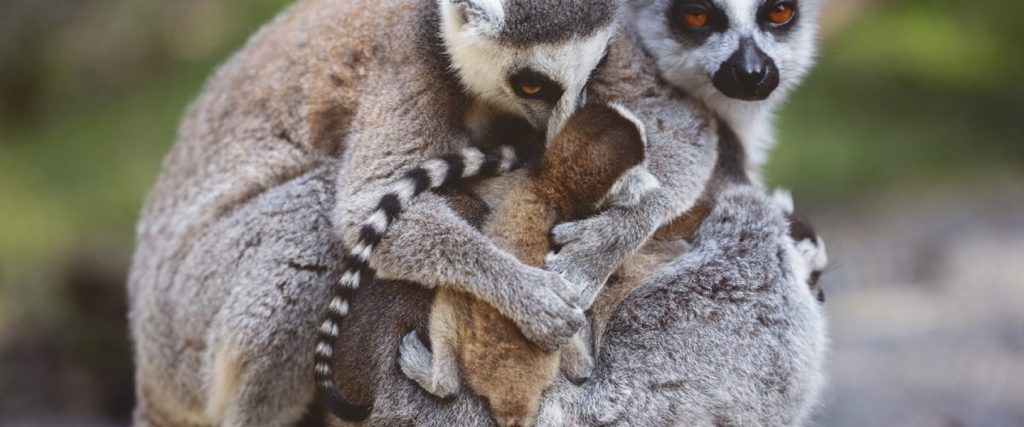
This lively land is home to a variety of lemur species, a very famous capybara, and our interactive Ring-tailed Lemur Walkthrough habitat.

Find out more about the animals who live in this land!
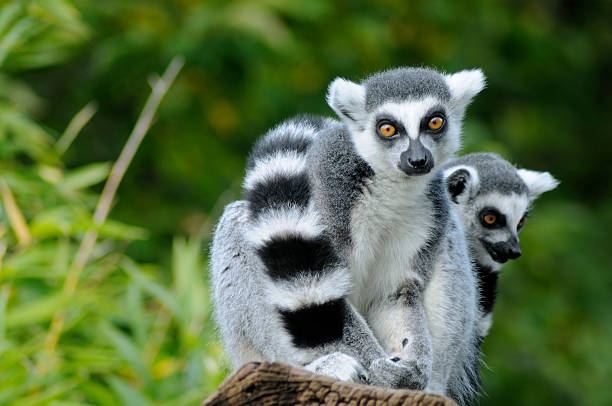

Ring-Tailed Lemurs are medium-sized primates native to the forests and scrublands of Madagascar. Recognizable by their striking black-and-white ringed tails, grey bodies, and expressive faces, they are highly social, curious, and full of personality.
These lemurs feed mainly on fruits, leaves, flowers, and bark, using their nimble hands to grasp and explore their food. Living in large social groups called troops, they communicate with a variety of calls, scents, and gestures, displaying complex social behaviors and strong bonds.
At Hoo Zoo, our Ring-Tailed Lemur helps visitors learn about the fascinating behaviors of primates, the diversity of Madagascar’s wildlife, and the importance of conserving tropical forests and scrublands. Observing these intelligent, lively animals up close gives visitors a chance to appreciate their curiosity, social intelligence, and vital role in their ecosystems.
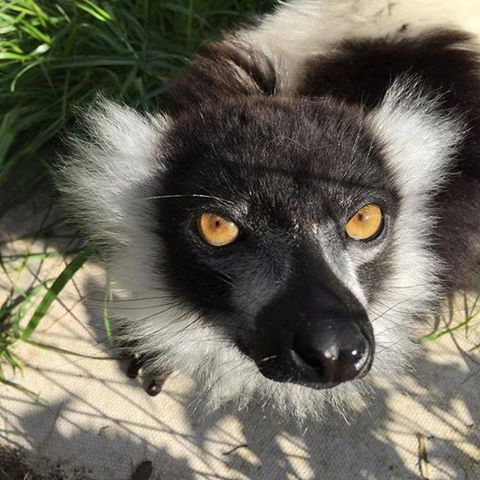
Black-and-White Ruffed Lemurs are large, striking primates native to the rainforests of Madagascar. Recognizable by their bold black and white fur, ruffed collars, and bright eyes, they are agile, vocal, and highly social animals.
These lemurs feed mainly on fruits, nectar, and flowers, using their nimble hands and strong jaws to access food in the treetops. Living in social groups, they communicate with loud calls and a variety of vocalizations, helping maintain group cohesion and alerting others to potential dangers.
At Hoo Zoo, our Black-and-White Ruffed Lemur helps visitors explore the behaviors of rainforest primates, learn about Madagascar’s unique wildlife, and understand the importance of conserving tropical forests. Observing these intelligent, lively animals up close gives visitors a chance to appreciate their curiosity, social intelligence, and essential role in maintaining healthy ecosystems.
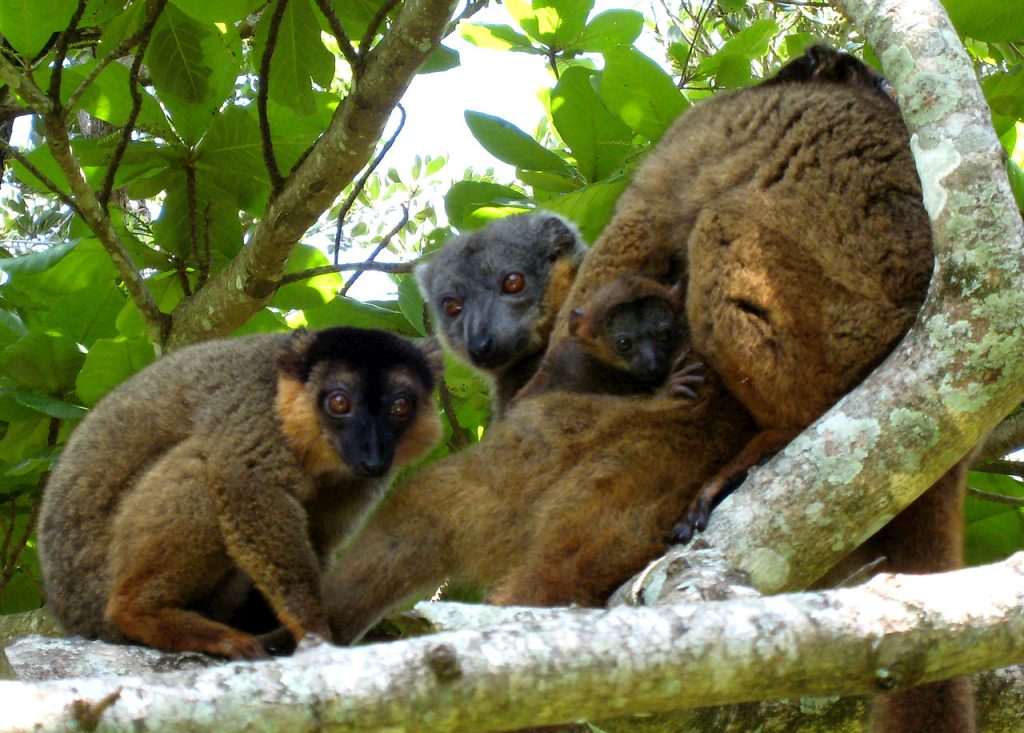
Collared Brown Lemurs are medium-sized primates native to the forests of Madagascar. Recognizable by their soft brown fur, darker limbs, and distinctive collar-like markings around their necks, they are agile, curious, and highly social.
These lemurs feed mainly on fruits, leaves, flowers, and nectar, using their nimble hands to grasp and explore their food. Living in social groups, they communicate with a variety of calls and gestures, showing complex social behaviors and strong bonds within their troop.
At Hoo Zoo, our Collared Brown Lemur helps visitors discover the fascinating behaviors of primates, the diversity of Madagascar’s wildlife, and the importance of conserving tropical forests. Observing these intelligent, lively animals up close gives visitors a chance to appreciate their curiosity, social intelligence, and vital role in their ecosystems.
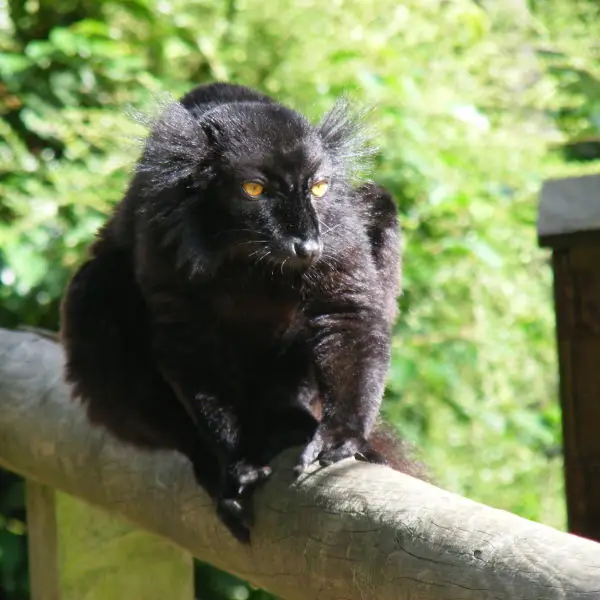
Black Lemurs are medium-sized primates native to the forests of Madagascar. Recognizable by their sleek black fur (in males), bright orange eyes, and expressive faces, they are agile, curious, and highly social animals.
These lemurs feed mainly on fruits, nectar, and leaves, using their nimble hands to grasp and manipulate food. Living in social groups, they communicate with a variety of calls, gestures, and scents, showing complex social behaviors and strong bonds with one another.
At Hoo Zoo, our Black Lemur helps visitors learn about the fascinating behaviors of primates, the diversity of Madagascar’s wildlife, and the importance of conserving fragile tropical forests. Observing these intelligent, lively animals up close gives visitors a chance to appreciate their curiosity, social intelligence, and vital role in their ecosystems.
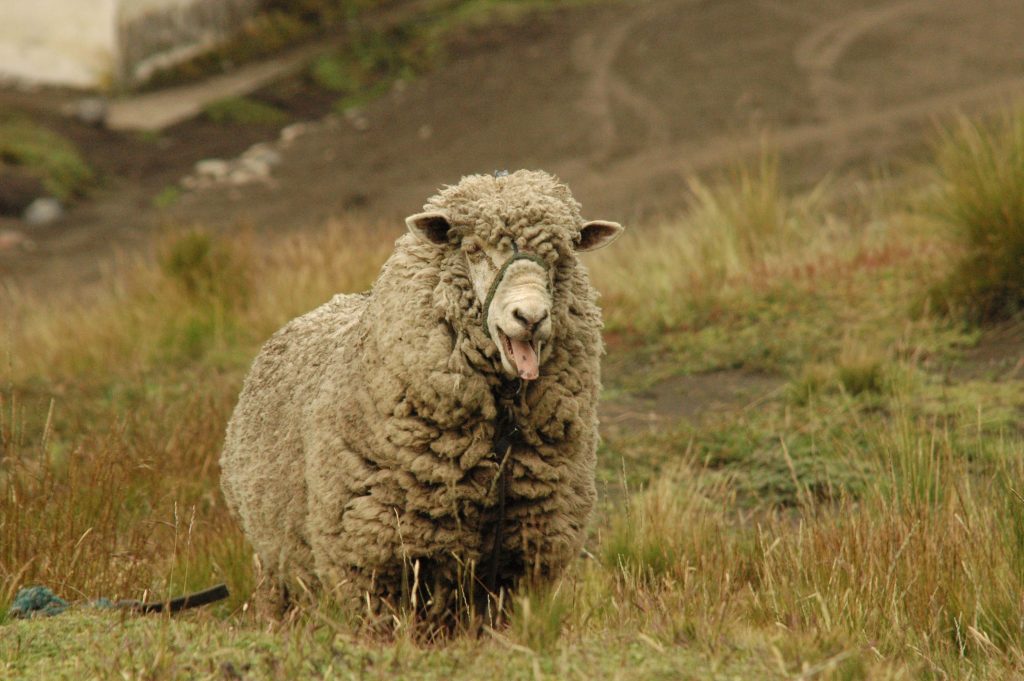
Sheep are domesticated herbivores that have been a vital part of human history for thousands of years. Known for their soft wool, gentle demeanor, and distinct curled horns (in some breeds), sheep have adapted to a variety of environments, from rolling hills to rugged mountain terrains.
These social animals live in flocks, using their strong instincts to stay close for protection from predators. They feed on grasses, shrubs, and plants, using their sharp teeth to graze efficiently. Sheep are known for their ability to thrive in harsh climates, with their wool providing insulation against both cold and heat. Their wool, sheared annually, has been an essential resource for clothing and textiles for centuries.
At Hoo Zoo, our sheep help visitors learn about the domestication of animals, the importance of sustainable farming practices, and the unique role herbivores play in ecosystems. Observing these gentle creatures up close offers a chance to connect with the history of agriculture and appreciate the way these animals continue to support human communities around the world.
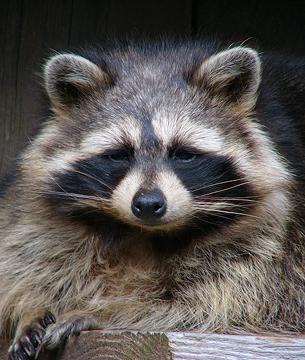
The raccoon (Procyon lotor), is a medium-sized mammal native to North America. The raccoon is the largest of the procyonid family, having a body length of 40 to 70 cm (16 to 28 in) and a body weight of 3.5 to 9 kg (8 to 20 lb). Its grayish coat mostly consists of dense underfur which insulates it against cold weather. Two of the raccoon's most distinctive features are its extremely dexterous front paws and its facial mask, which are themes in the mythology of several Native American ethnic groups. Raccoons are noted for their intelligence, with studies showing that they are able to remember the solution to tasks for up to three years.[8] The diet of the omnivorous raccoon, which is usually nocturnal, consists of about 40% invertebrates, 33% plant foods, and 27% vertebrates.
The original habitats of the raccoon are deciduous and mixed forests, but due to their adaptability they have extended their range to mountainous areas, coastal marshes, and urban areas, where some homeowners consider them to be pests. As a result of escapes and deliberate introductions in the mid-20th century, raccoons are now also distributed across mainland Europe, Caucasia, and Japan.
Though previously thought to be solitary, there is now evidence that raccoons engage in gender-specific social behavior. Related females often share a common area, while unrelated males live together in groups of up to four animals to maintain their positions against foreign males during the mating season, and other potential invaders. Home range sizes vary anywhere from 3 hectares (7.4 acres) for females in cities to 5,000 hectares (12,000 acres) for males in prairies. After a gestation period of about 65 days, two to five young, known as "kits", are born in spring. The kits are subsequently raised by their mother until dispersal in late fall. Although captive raccoons have been known to live over 20 years, their life expectancy in the wild is only 1.8 to 3.1 years. In many areas, hunting and vehicular injury are the two most common causes of death. [Credit: Wikipedia]
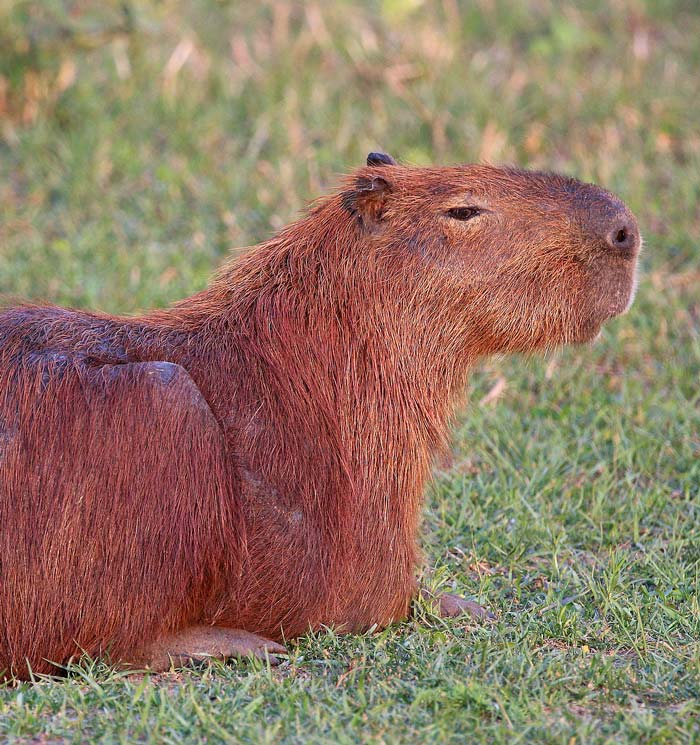
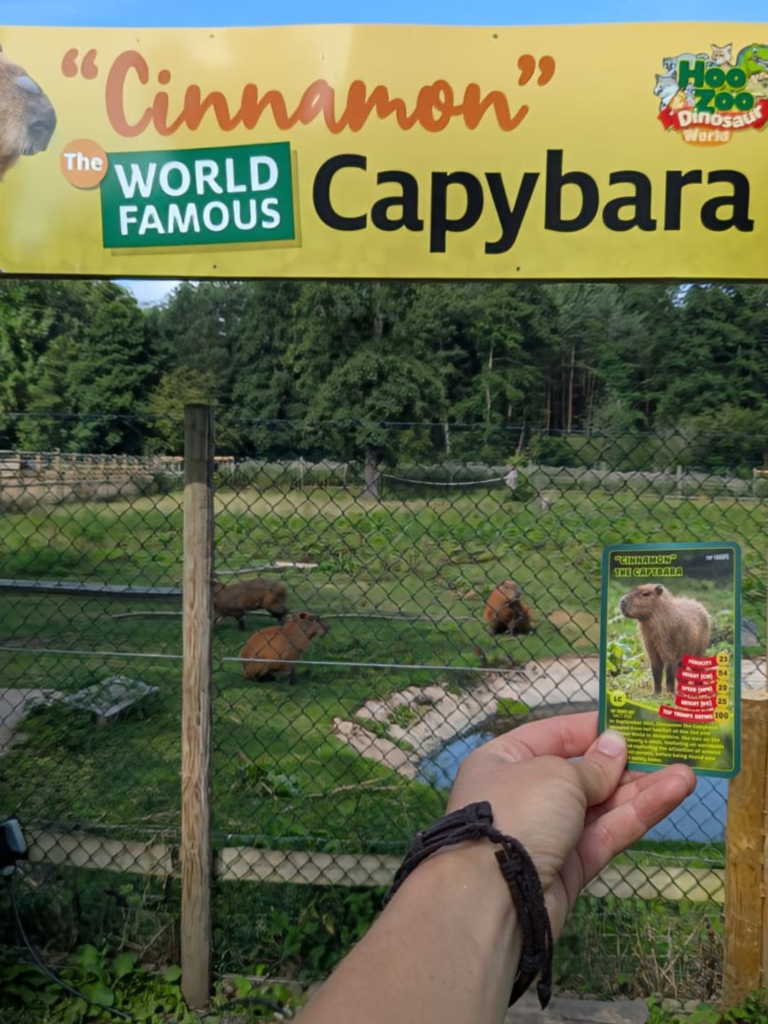
Capybaras are the world’s largest rodents, native to South America’s rivers, wetlands, and grasslands. Recognizable by their large, barrel-shaped bodies, short fur, and calm, friendly faces, they are social, gentle, and highly adaptable.
These herbivores feed mainly on grasses, aquatic plants, and fruits. Excellent swimmers, capybaras spend much of their time in or near water, using it for safety, cooling off, and social interaction. They live in groups, showing strong social bonds and cooperative behaviours.
At Hoo Zoo, our Capybara helps visitors learn about the fascinating adaptations of semi-aquatic mammals, the importance of social behaviours, and the need to conserve wetland habitats. Observing these gentle, curious animals up close gives visitors a chance to appreciate their social intelligence, adaptability, and important role in their ecosystems. And meet the world famous Cinnamon!
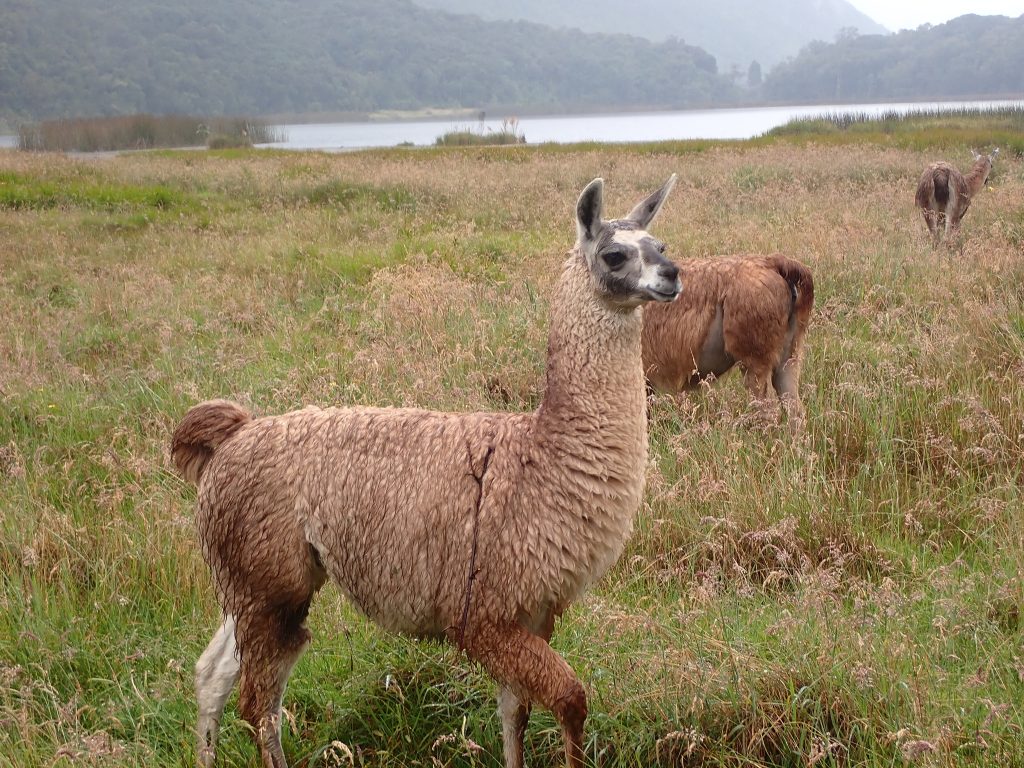
Llamas are sturdy, intelligent mammals native to the high mountain regions of South America. With their long necks, soft wool, and expressive faces, they are well-suited for life in the rugged Andean landscape, where they have been domesticated for thousands of years.
These herbivores graze on grasses, shrubs, and other vegetation, using their sharp teeth to clip and chew tough plants. Known for their gentle yet independent nature, llamas are often used as pack animals due to their strength and endurance. They communicate through body language and distinctive vocalizations, often using their soft hums to express themselves.
At Hoo Zoo, our Llama invites visitors to learn about the fascinating relationship between humans and animals, the role of domesticated species in mountain ecosystems, and the value of conserving high-altitude habitats. Observing these intelligent, calm animals up close offers a glimpse into their adaptable nature and strong social bonds.
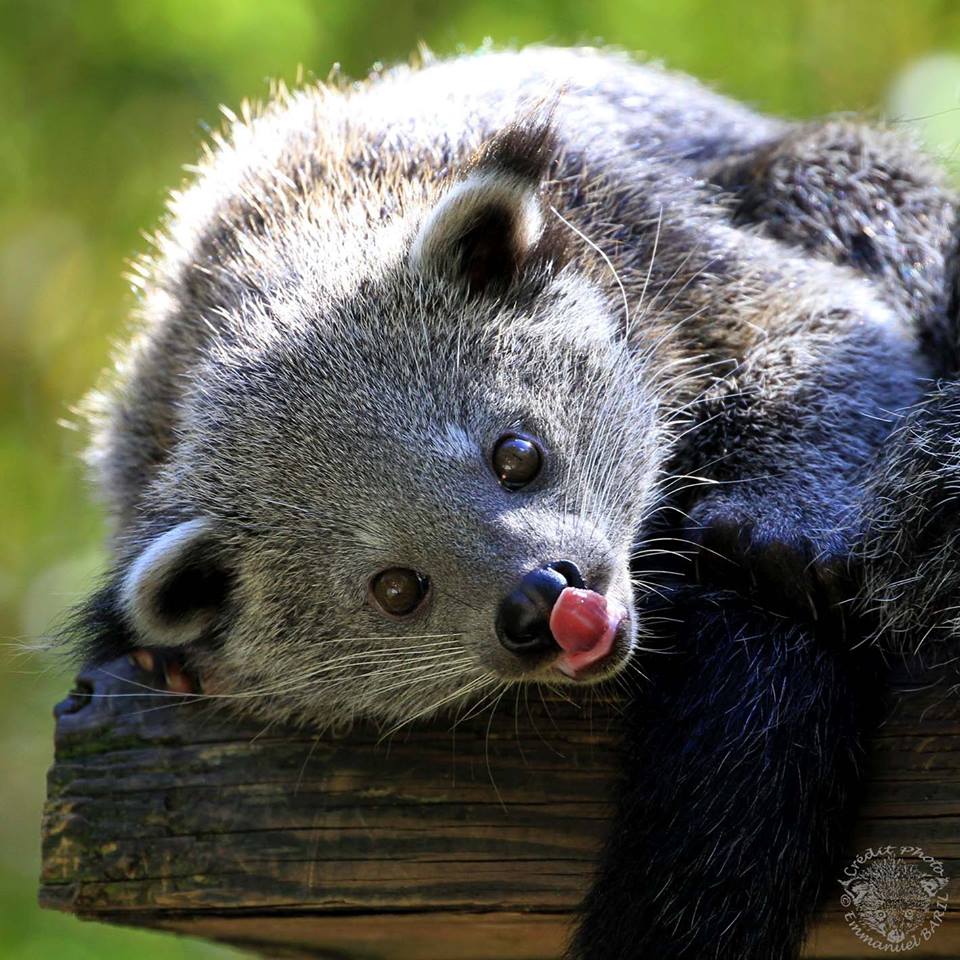
The body of the binturong is long and heavy, with short, stout legs. It has a thick fur of strong black hair. The bushy and prehensile tail is thick at the root, gradually diminishing in size to the extremity, where it curls inwards. The muzzle is short and pointed, somewhat turned up at the nose, and is covered with bristly hairs, brown at the points, which lengthen as they diverge, and form a peculiar radiated circle round the face.
The eyes are large, black and prominent. The ears are short, rounded, edged with white, and terminated by tufts of black hair. There are six short rounded incisors in each jaw, two canines, which are long and sharp, and six molars on each side. The hair on the legs is short and of a yellowish tinge. The feet are five-toed, with large strong claws; the soles are bare, and applied to the ground throughout the whole of their length; the hind ones are longer than the fore. [credits: Wikipedia]
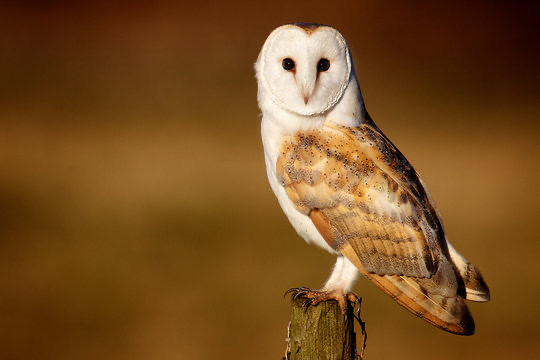
Barn Owls are graceful, nocturnal birds of prey found across much of the world. Recognisable by their heart-shaped face, striking white plumage, and piercing dark eyes, they are silent hunters, gliding effortlessly through the night in search of small mammals.
Barn Owls play a crucial role in ecosystems by controlling rodent populations, helping to maintain a natural balance. They are solitary, secretive birds, most active at dusk and during the night, and are renowned for their exceptional hearing and vision in low light.
At Hoo Zoo, our Barn Owl helps visitors learn about nocturnal wildlife, predator adaptations, and the importance of conserving habitats that support owls and other raptors. Observing this elegant hunter up close inspires respect for these remarkable birds of prey and the vital role they play in the natural world.
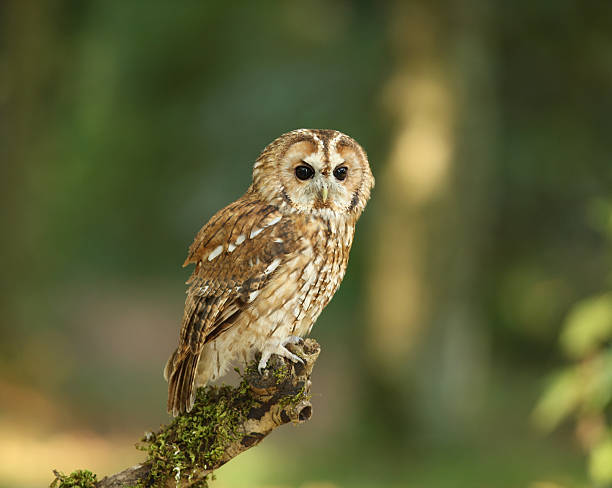
Tawny Owls are medium-sized, nocturnal birds native to woodlands and forests across Europe, Asia, and parts of Africa. Recognizable by their rounded heads, rich brown plumage with mottled patterns, and deep, expressive eyes, they are masters of stealth and silence.
These owls are carnivorous, feeding mainly on small mammals, birds, and insects. Their exceptional hearing and silent flight allow them to hunt effectively at night, making them skilled and adaptable predators.
At Hoo Zoo, our Tawny Owl helps visitors discover the secrets of nocturnal wildlife, understand how predators adapt to their environment, and learn about the importance of preserving forests and natural habitats. Observing this mysterious, beautiful bird up close reveals its incredible hunting skills and its essential role in keeping ecosystems balanced.
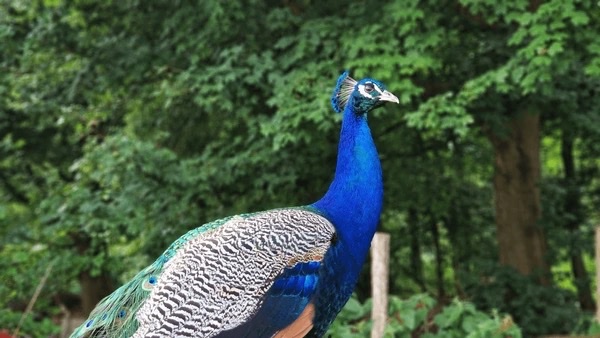
Common Peafowl, also known as Indian Peafowl, are iconic, large birds native to the forests and grasslands of India and Sri Lanka. Males are renowned for their spectacular iridescent tail feathers, which they fan out in dazzling displays during courtship, while females, or peahens, have more subtle brown and green plumage.
Omnivorous by nature, peafowl feed on seeds, insects, small reptiles, and plants, helping to maintain balanced ecosystems. They are social, curious birds with distinctive calls, and their striking appearance makes them a favourite for education and wildlife appreciation.
At Hoo Zoo, our Common Peafowl helps visitors learn about bird behaviour, mating displays, and the importance of habitat conservation. Observing these magnificent birds up close allows visitors to experience firsthand the beauty and diversity of our feathered wildlife.
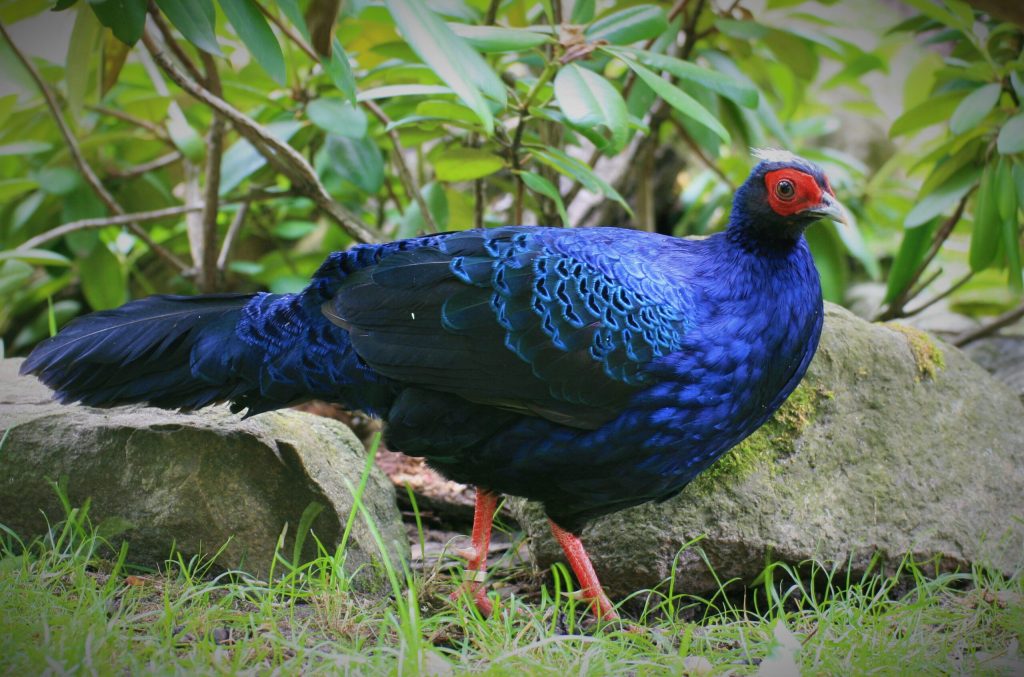
Vietnam Pheasants are striking, ground-dwelling birds native to the forests of Vietnam. Known for their glossy, iridescent plumage and long tails, these birds are shy, elusive, and beautifully adapted to life on the forest floor.
Primarily omnivorous, Vietnam Pheasants feed on seeds, fruits, insects, and small invertebrates, helping to maintain healthy forest ecosystems through seed dispersal and insect population control. Their secretive nature and limited habitat make them an important species for conservation awareness.
At Hoo Zoo, our Vietnam Pheasant helps visitors learn about forest ecosystems, bird behaviour, and the importance of protecting endangered species. Through education and close observation, we aim to inspire respect and understanding for these rare and remarkable birds.
Find out more about some of the attractions and activities in this land.


Join our mailing list ot be the first to know about upcoming events!
To guarantee entry on the day, it’s essential that tickets are pre-booked. This can be done online through our ticketing system.

 Book Your Tickets


