Join Jessops, our trusted partner, in this one of a kind photography experience.

Find out more about the animals that may be included on this experience!
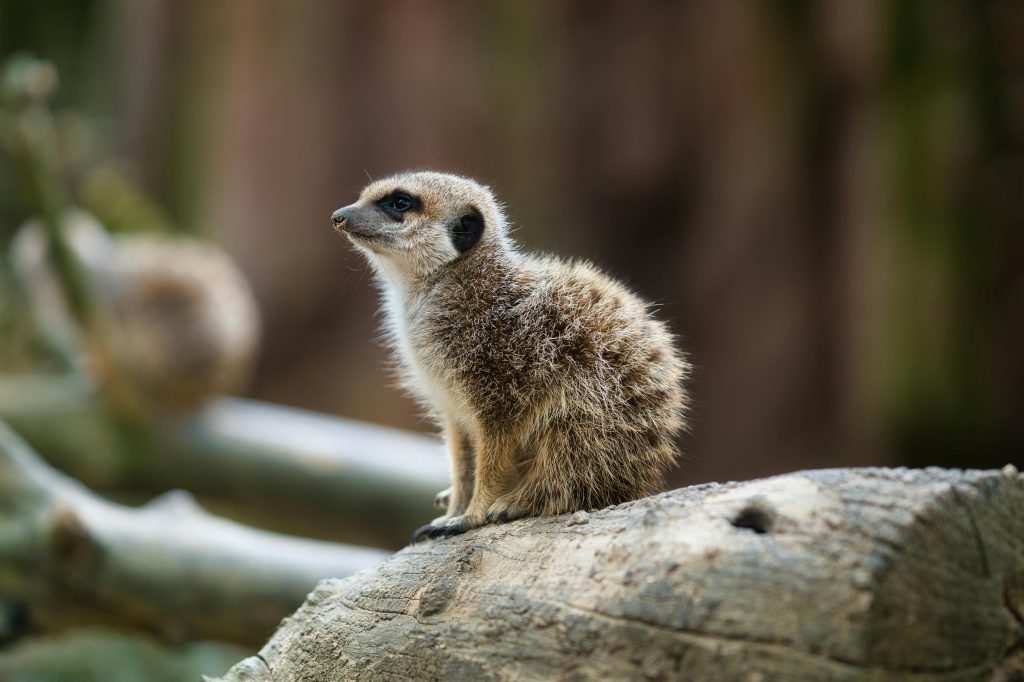

Meerkats are small, highly social mammals native to the deserts and savannas of southern Africa. Recognizable by their upright posture, big eyes, and playful expressions, they are curious, alert, and always on the lookout.
These omnivores feed on insects, small reptiles, fruits, and plants, using their sharp claws and keen senses to dig and forage for food. Meerkats live in tight-knit groups called mobs, where they work together to keep an eye out for predators and share food.
At Hoo Zoo, our Meerkat helps visitors learn about the fascinating social behaviours of small mammals, the importance of teamwork, and how desert ecosystems function. Observing these lively, energetic animals up close gives visitors a chance to appreciate their curiosity, intelligence, and essential role in maintaining a balanced ecosystem.

Arctic Wolves are powerful predators native to the frozen tundras of the Arctic. With their thick white fur, keen eyes, and muscular build, they are perfectly adapted to surviving in one of the harshest environments on Earth.
These carnivores primarily hunt in packs, preying on caribou, musk oxen, and smaller mammals. Their sharp teeth and incredible endurance allow them to travel vast distances in search of food, and their social structure helps them work together to bring down large prey.
At Hoo Zoo, our Arctic Wolf helps visitors learn about the social behaviors of pack animals, the importance of apex predators in ecosystems, and the need to protect vulnerable Arctic habitats. Observing these majestic, resilient animals up close gives visitors a chance to appreciate their teamwork, strength, and vital role in the Arctic food chain.
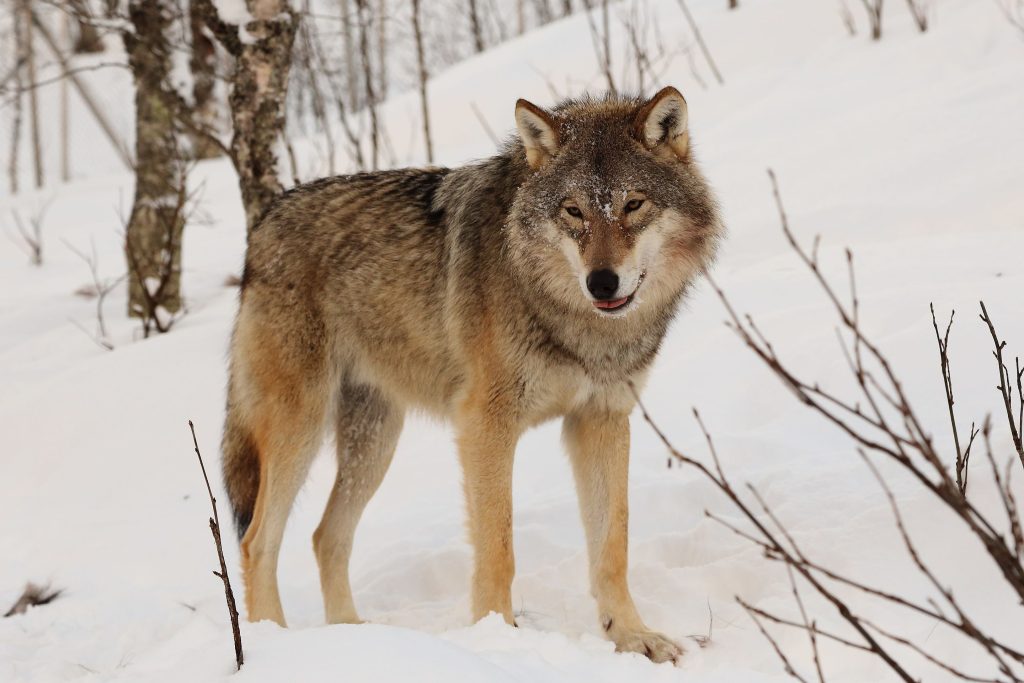
The Eurasian wolf (Canis lupus lupus), also known as the common wolf or Middle Russian forest wolf, is a subspecies of grey wolf native to Europe and the forest and steppe zones of the former Soviet Union. It was once widespread throughout Eurasia prior to the Middle Ages. Aside from an extensive paleontological record, Indo-European languages typically have several words for wolf, thus attesting to the animal's abundance and cultural significance. It was held in high regard in Baltic, Celtic, Slavic, Turkic, ancient Greek, Roman, and Thracian cultures, whilst having an ambivalent reputation in early Germanic cultures.[Credit: Wikipedia]
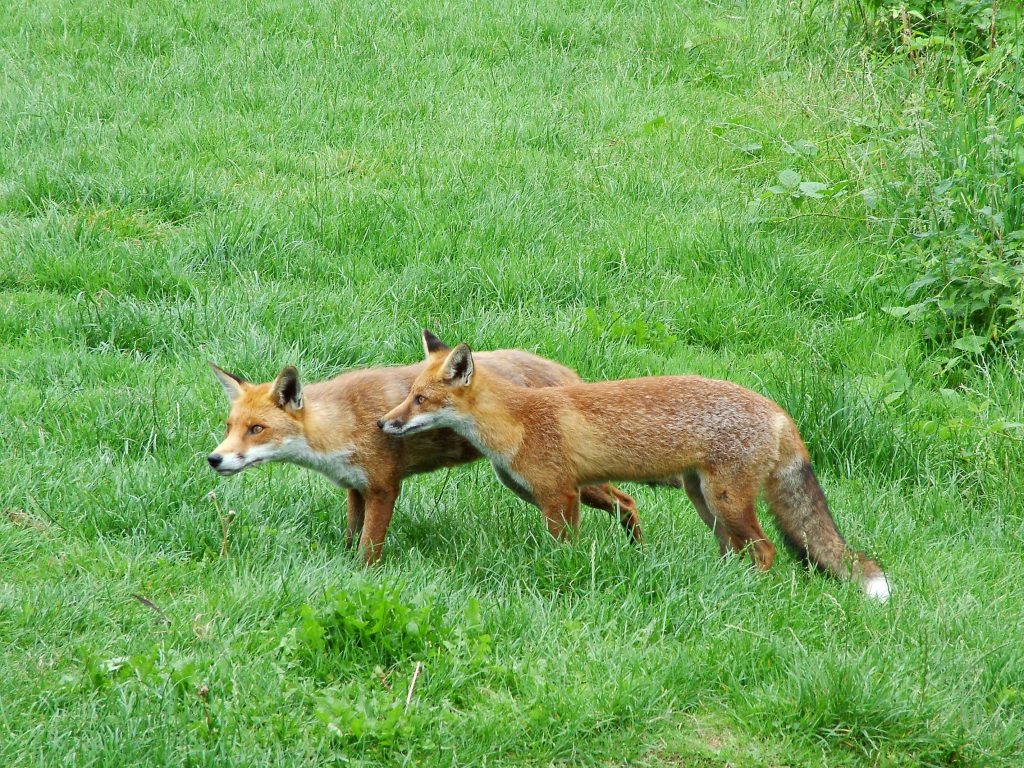
Red Foxes are one of the most adaptable and widespread canids, found across a variety of habitats, from forests to grasslands to urban areas. With their vibrant red-orange fur, bushy tails, and sharp features, they are quick, clever, and perfectly built for a life of stealth and agility.
These omnivores have a varied diet, including small mammals, birds, fruits, and insects. They are opportunistic hunters, using their keen senses of sight and hearing to track prey, while their cleverness and agility make them masters of both solo and scavenging hunts. Their distinctive, bushy tail helps with balance and acts as a warm cover during cold nights.
At Hoo Zoo, our Red Fox offers visitors a chance to discover the incredible adaptability of wild animals, the importance of predators in diverse ecosystems, and the remarkable survival skills needed to thrive in changing environments. Observing this intelligent, resourceful fox up close provides an appreciation for its role in keeping nature’s balance in check.
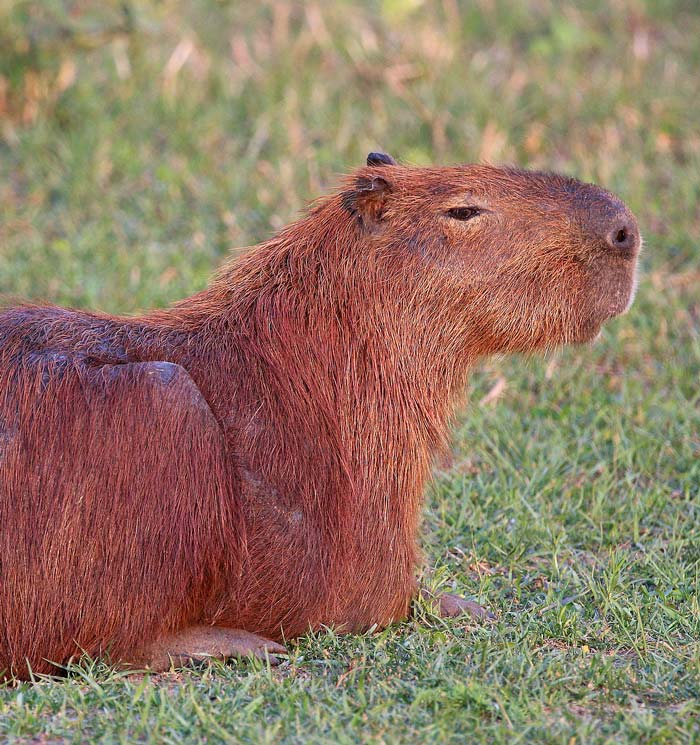
Capybaras are the world’s largest rodents, native to South America’s rivers, wetlands, and grasslands. Recognizable by their large, barrel-shaped bodies, short fur, and calm, friendly faces, they are social, gentle, and highly adaptable.
These herbivores feed mainly on grasses, aquatic plants, and fruits. Excellent swimmers, capybaras spend much of their time in or near water, using it for safety, cooling off, and social interaction. They live in groups, showing strong social bonds and cooperative behaviours.
At Hoo Zoo, our Capybara helps visitors learn about the fascinating adaptations of semi-aquatic mammals, the importance of social behaviours, and the need to conserve wetland habitats. Observing these gentle, curious animals up close gives visitors a chance to appreciate their social intelligence, adaptability, and important role in their ecosystems. And meet the world famous Cinnamon!
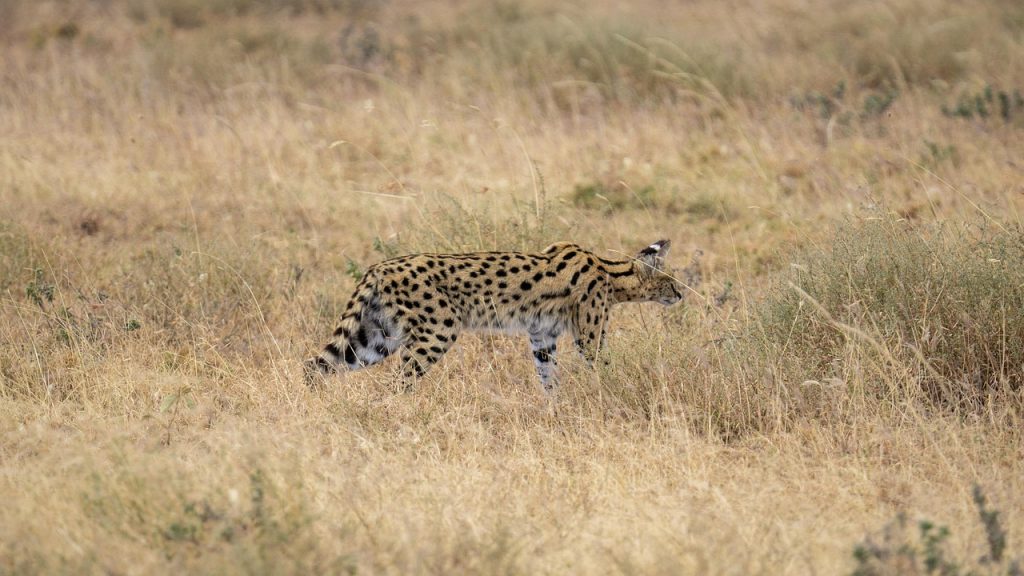
Servals are sleek, medium-sized wild cats native to the grasslands and savannas of Africa. With their long legs, large ears, and spotted golden fur, they are built for speed, agility, and expert hunting in open landscapes.
These carnivores feed primarily on birds, rodents, and small mammals, using their incredible leaping ability and sharp claws to catch prey mid-air. Known for their exceptional hearing, servals can detect even the smallest movements in the tall grasses.
At Hoo Zoo, our Serval helps visitors explore the remarkable adaptations of wild cats, the dynamics of grassland ecosystems, and the importance of conserving African wildlife. Observing this graceful, agile predator up close gives visitors a chance to appreciate its speed, precision, and vital role in controlling prey populations.
Designed for photographers of all abilities, this experience gives you the rare opportunity to photograph animals up close and without barriers, while learning how to get the very best from your camera. Throughout the day, you’ll be supported by a professional Jessops Academy tutor alongside experienced Hoo Zoo keepers, ensuring both exceptional learning and the highest standards of animal welfare.
The experience includes a mix of daytime animal encounters and an atmospheric woodland photography session as dusk falls, offering a wide variety of subjects, lighting conditions, and photographic challenges.
Guided Wildlife Photography
Spend the day photographing a range of animals which may include meerkats, lemurs, wolves, capybara and other species. You’ll work in small groups with guided access to enclosures and behind-the-scenes areas not normally open to the public.
Expert Photography Tuition
Learn how to take control of your camera, improve composition, and adapt settings for wildlife, movement, and low-light conditions. Advice and support are provided throughout the day, tailored to your skill level and equipment.
Up-Close Animal Encounters
Photograph animals in naturalistic settings without barriers, allowing you to capture expressive, intimate images while learning about their behaviour from Hoo Zoo’s knowledgeable keepers.
Evening Woodland Session
As the day draws to a close, you’ll move to a secluded woodland hide to photograph native British wildlife. Depending on conditions, this may include birds, rabbits, foxes and, if you’re lucky, badgers, as dusk settles and the woodland comes alive.
Animal welfare is always our highest priority. This experience is centred around natural behaviour, and animals are never forced to interact or perform. All encounters take place on the animals’ terms, making each experience unique and rewarding.

Under 16s must be accompanied by a paying adult. Taken in groups. Animals included may vary.
Book your VIP experience tickets!


