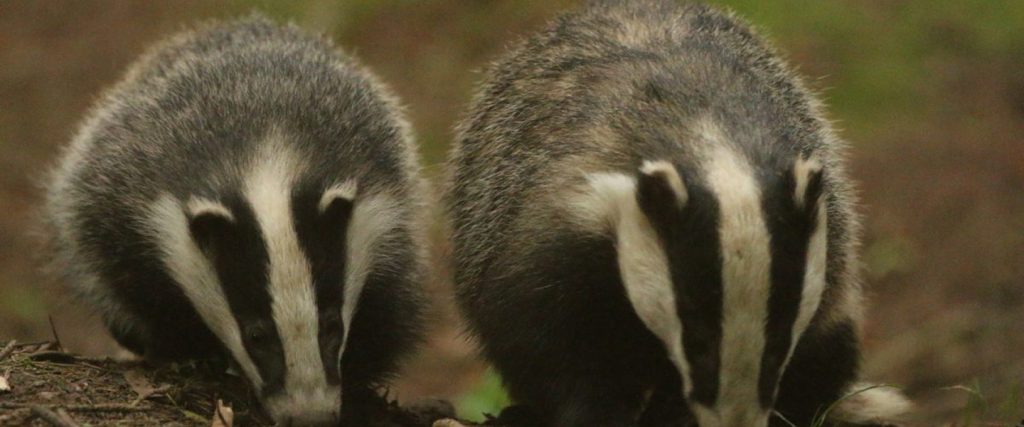
A fantastic opportunity to get up close and personal with one of Britains most elusive animals, the Badger.

Find out more about the animals included on this experience!


The European badger (Meles meles) also known as the Eurasian badger, is a species of badger in the family Mustelidae and is native to almost all of Europe and some parts of West Asia. Several subspecies are recognised; the nominate subspecies (Meles meles meles) predominates over most of Europe. The European badger is classified as being of least concern by the IUCN as it has a wide range and a large population size which is stable, and even increasing in some areas.
The European badger is a powerfully built black, white, brown and grey animal with a small head, a stocky body, small black eyes and short tail. Its weight varies, being 7–13 kg (15–29 lb) in spring but building up to 15–17 kg (33–37 lb) in autumn before the winter sleep period. It is nocturnal and is a social, burrowing animal that sleeps during the day in one of several setts in its territorial range. These burrows, which may house several badger families, have extensive systems of underground passages and chambers and have multiple entrances. Some setts have been in use for decades. Badgers are very fussy over the cleanliness of their burrow, carrying in fresh bedding and removing soiled material, and they defecate in latrines strategically situated around their territory.
Though classified as a carnivore, the European badger feeds on a wide variety of plant and animal foods. The diet consists mainly of earthworms, large insects, small mammals, carrion, cereals and root tubers. Litters of up to five cubs are produced in spring. The young are weaned a few months later but usually remain within the family group. The European badger has been known to share its burrow with other species such as rabbits, red foxes and raccoon dogs, but it can be ferocious when provoked, a trait which has been exploited in the now illegal blood sport of badger-baiting. The spread of bovine tuberculosis has been attributed to badgers, however, studies in 2016 conclude that the issue is more to do with cattle and farm management.
[Credits: Wikipedia]
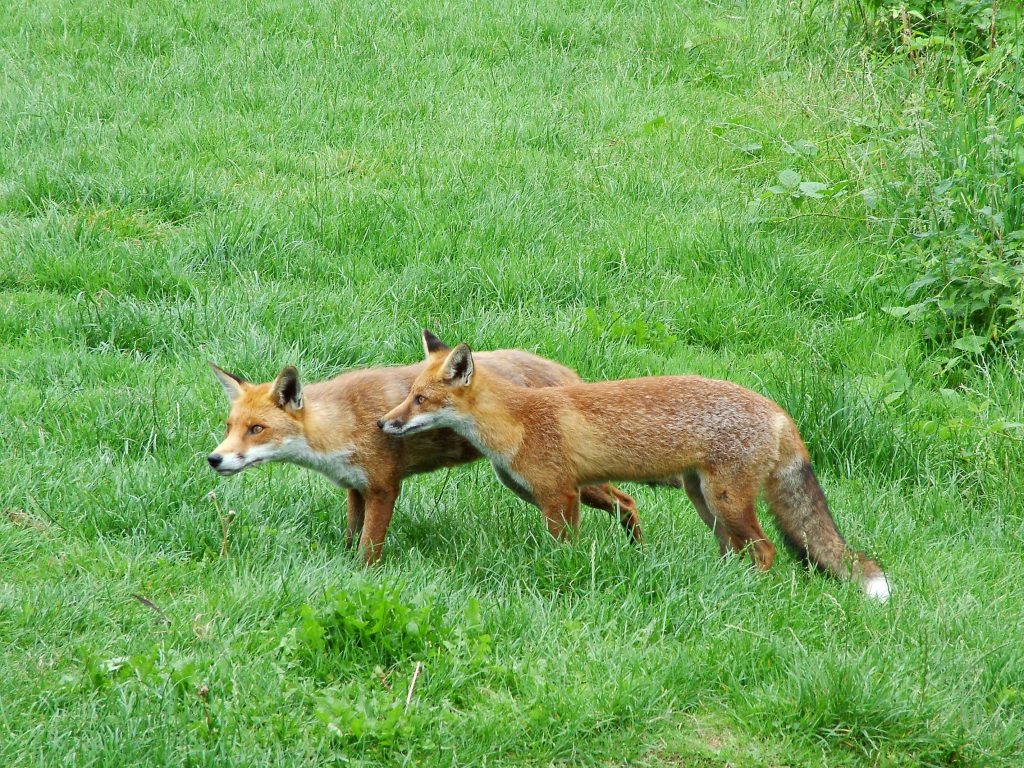
Red Foxes are one of the most adaptable and widespread canids, found across a variety of habitats, from forests to grasslands to urban areas. With their vibrant red-orange fur, bushy tails, and sharp features, they are quick, clever, and perfectly built for a life of stealth and agility.
These omnivores have a varied diet, including small mammals, birds, fruits, and insects. They are opportunistic hunters, using their keen senses of sight and hearing to track prey, while their cleverness and agility make them masters of both solo and scavenging hunts. Their distinctive, bushy tail helps with balance and acts as a warm cover during cold nights.
At Hoo Zoo, our Red Fox offers visitors a chance to discover the incredible adaptability of wild animals, the importance of predators in diverse ecosystems, and the remarkable survival skills needed to thrive in changing environments. Observing this intelligent, resourceful fox up close provides an appreciation for its role in keeping nature’s balance in check.
Taking place on Saturdays from 5pm to 9pm, this unique experience offers a fantastic opportunity to get up close and watch some fantastic British wildlife in their natural habitat. The Hoo Zoo Badger Sett is over 30 years old and is home to about 20 badgers. The badgers are very used to our presence and regularly go about their normal behaviour.
Badgers aren’t the only animal to be seen, Foxes are regularly spotted as are Jays, Tawny Owls and even the odd weasel.
Watch Wild Badgers - Nestled in a quiet, natural setting, you’ll get a front-row seat to watch wild badgers in their natural habitat. Witness their fascinating behaviour as they forage, play, and interact with each other, just feet away from the hide. They aren’t the only animals to see – we often get visited by Owls and Foxes as well.
Secluded Viewing Hide - Our cozy and well-positioned hide offers you the perfect spot to observe these nocturnal creatures without disturbing them. The experience is peaceful, silent, and unforgettable.
Evening Adventure - Badger watching takes place in the early evening, just as dusk falls, making it a magical experience as the forest comes alive with wildlife.
As our animals welfare is of utmost importance and we are privileged to be able to get so close to these species – we will not force our animals to do anything against their nature and all interaction is done on their terms.

Participants must be 16 years or older. Sightings are expected but not guaranteed.
Experiences are taken in groups of 10.
Book your VIP experience tickets!


