The ultimate animal experience. You won’t get closer anywhere else. Run in an exclusive group with your own private keeper for the day. Prices include food and drink for participants

Find out more about the animals included on this experience!
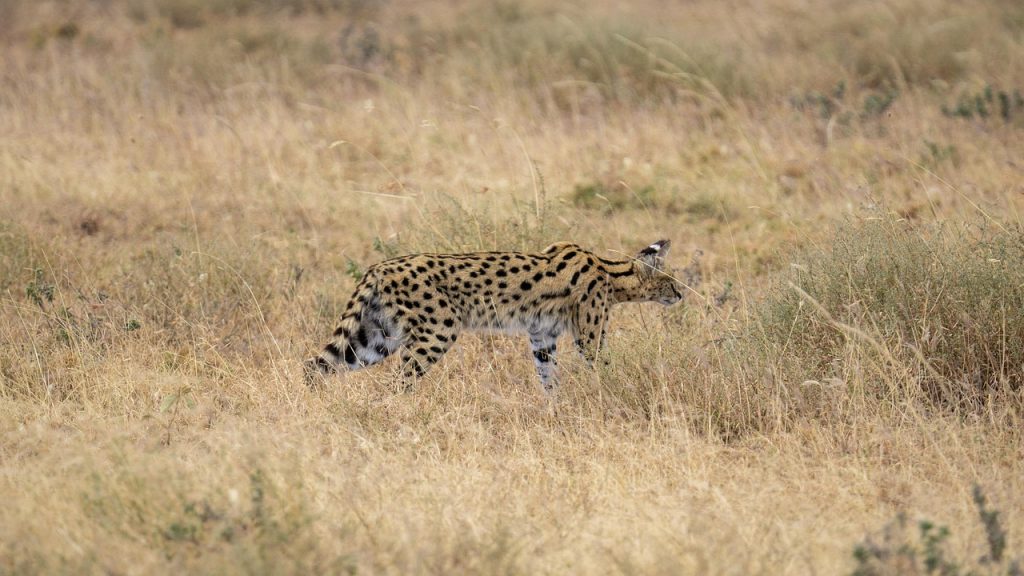

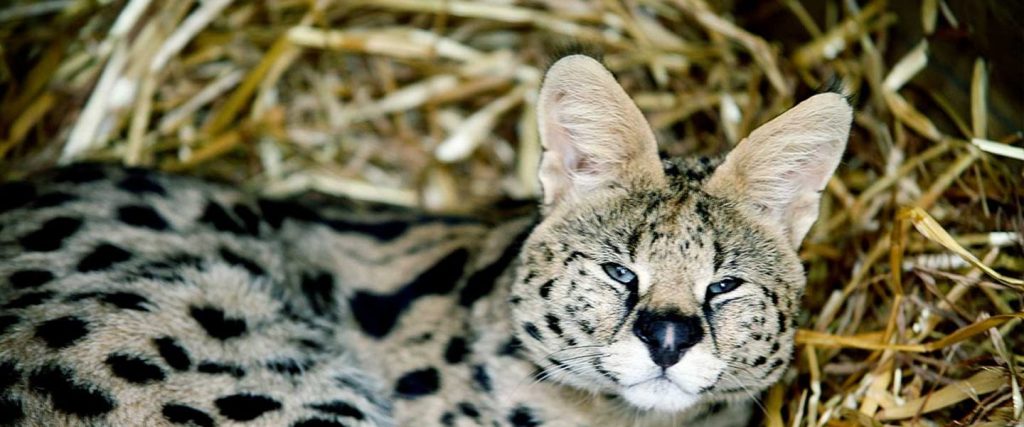
Servals are sleek, medium-sized wild cats native to the grasslands and savannas of Africa. With their long legs, large ears, and spotted golden fur, they are built for speed, agility, and expert hunting in open landscapes.
These carnivores feed primarily on birds, rodents, and small mammals, using their incredible leaping ability and sharp claws to catch prey mid-air. Known for their exceptional hearing, servals can detect even the smallest movements in the tall grasses.
At Hoo Zoo, our Serval helps visitors explore the remarkable adaptations of wild cats, the dynamics of grassland ecosystems, and the importance of conserving African wildlife. Observing this graceful, agile predator up close gives visitors a chance to appreciate its speed, precision, and vital role in controlling prey populations.
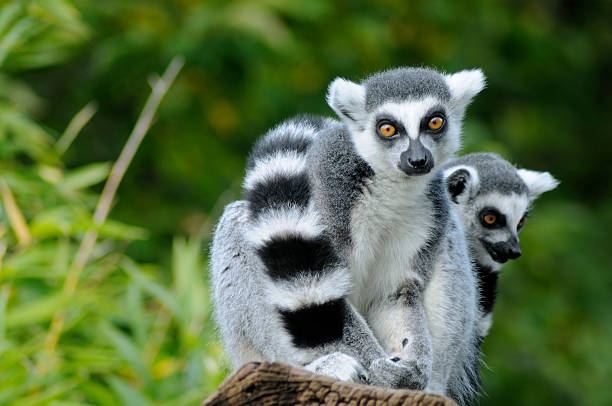
Ring-Tailed Lemurs are medium-sized primates native to the forests and scrublands of Madagascar. Recognizable by their striking black-and-white ringed tails, grey bodies, and expressive faces, they are highly social, curious, and full of personality.
These lemurs feed mainly on fruits, leaves, flowers, and bark, using their nimble hands to grasp and explore their food. Living in large social groups called troops, they communicate with a variety of calls, scents, and gestures, displaying complex social behaviors and strong bonds.
At Hoo Zoo, our Ring-Tailed Lemur helps visitors learn about the fascinating behaviors of primates, the diversity of Madagascar’s wildlife, and the importance of conserving tropical forests and scrublands. Observing these intelligent, lively animals up close gives visitors a chance to appreciate their curiosity, social intelligence, and vital role in their ecosystems.
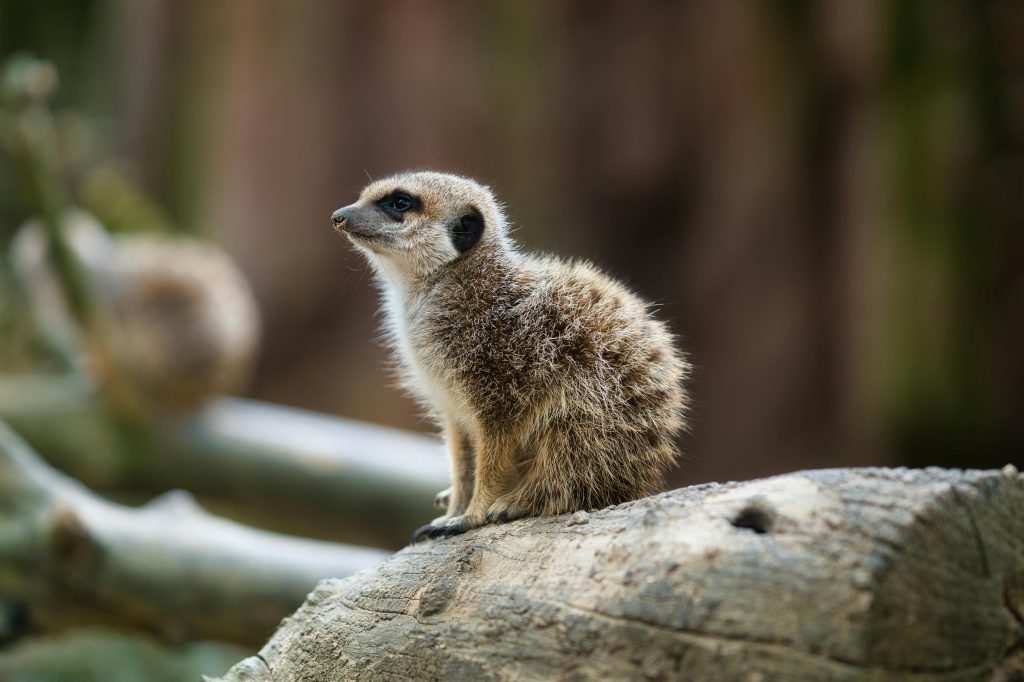
Meerkats are small, highly social mammals native to the deserts and savannas of southern Africa. Recognizable by their upright posture, big eyes, and playful expressions, they are curious, alert, and always on the lookout.
These omnivores feed on insects, small reptiles, fruits, and plants, using their sharp claws and keen senses to dig and forage for food. Meerkats live in tight-knit groups called mobs, where they work together to keep an eye out for predators and share food.
At Hoo Zoo, our Meerkat helps visitors learn about the fascinating social behaviours of small mammals, the importance of teamwork, and how desert ecosystems function. Observing these lively, energetic animals up close gives visitors a chance to appreciate their curiosity, intelligence, and essential role in maintaining a balanced ecosystem.
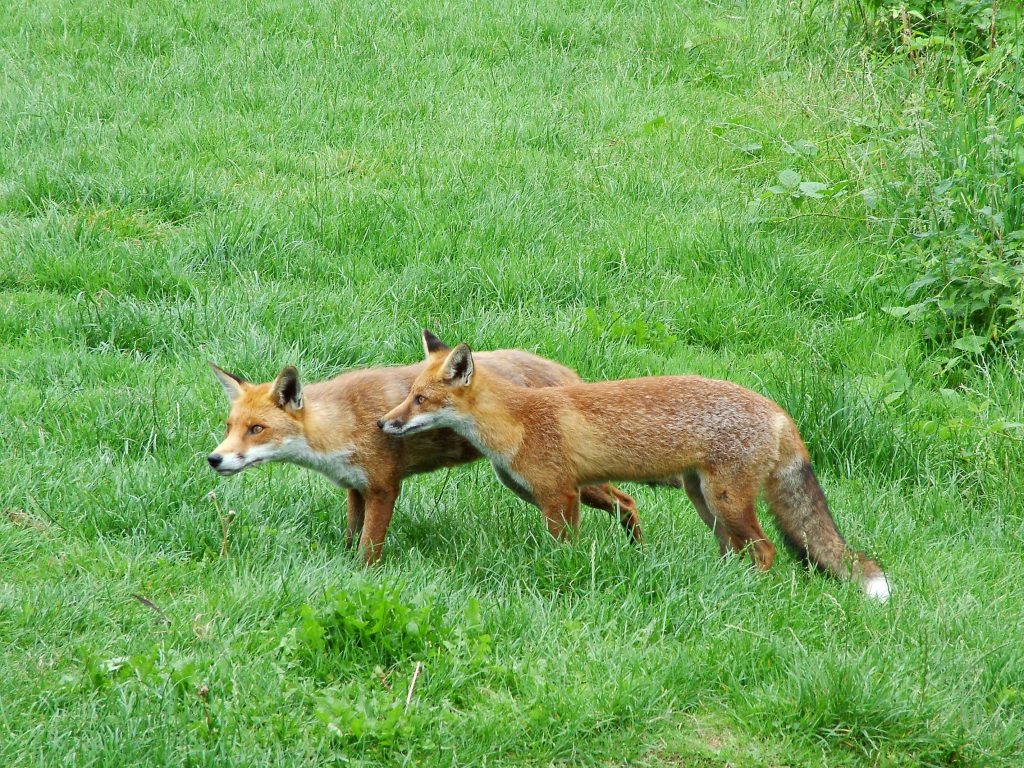
Red Foxes are one of the most adaptable and widespread canids, found across a variety of habitats, from forests to grasslands to urban areas. With their vibrant red-orange fur, bushy tails, and sharp features, they are quick, clever, and perfectly built for a life of stealth and agility.
These omnivores have a varied diet, including small mammals, birds, fruits, and insects. They are opportunistic hunters, using their keen senses of sight and hearing to track prey, while their cleverness and agility make them masters of both solo and scavenging hunts. Their distinctive, bushy tail helps with balance and acts as a warm cover during cold nights.
At Hoo Zoo, our Red Fox offers visitors a chance to discover the incredible adaptability of wild animals, the importance of predators in diverse ecosystems, and the remarkable survival skills needed to thrive in changing environments. Observing this intelligent, resourceful fox up close provides an appreciation for its role in keeping nature’s balance in check.
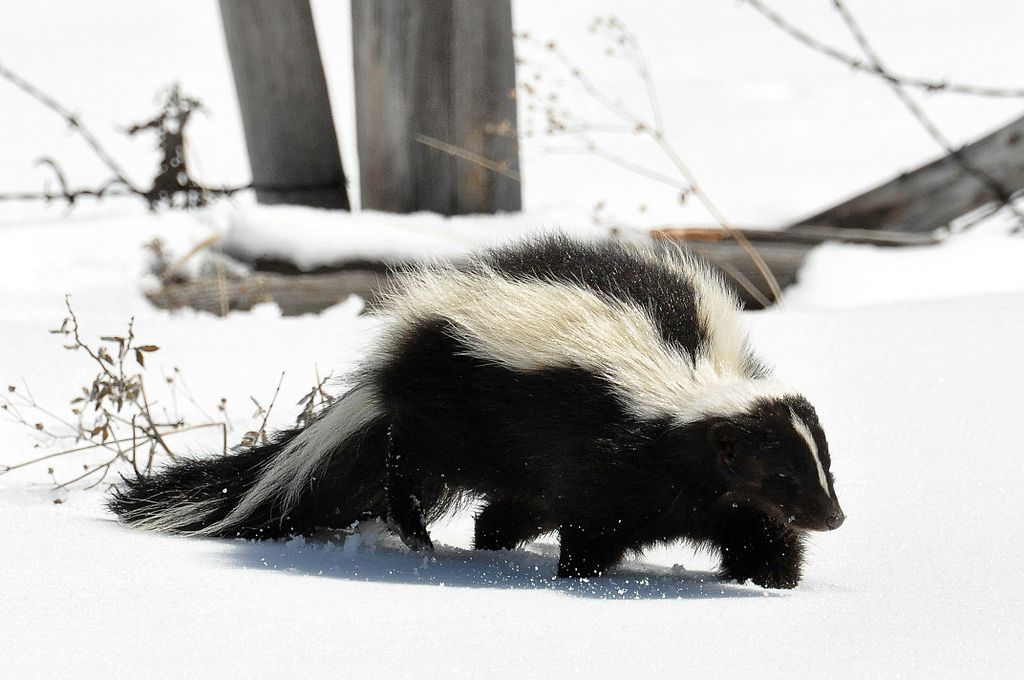
The Striped Skunk is a small, nocturnal mammal known for its bold black and white fur and its infamous defensive spray. Found across North America, it is a member of the weasel family and is easily recognizable by its distinctive stripe pattern that runs down its back and tail.
Despite its fearsome reputation, the Striped Skunk is primarily a scavenger and omnivore, feeding on insects, small animals, fruits, and plants. It uses its keen sense of smell to forage for food, and when threatened, it can spray a foul-smelling liquid from its glands as a powerful defense mechanism to ward off predators.
At Hoo Zoo, our Striped Skunk helps visitors learn about the unique behaviours and adaptations of small mammals, the role of scent in animal defence, and how these creatures contribute to controlling insect and rodent populations. Observing this fascinating, quirky animal up close gives visitors a chance to appreciate the diversity of wildlife in their own backyards.

The desert hedgehog is one of the smallest of hedgehogs. It is 5.5 to 11 inches (140 to 280 mm) long and weighs about 10 to 18 ounces (280 to 510 g). The spines (or quills to give their correct name) on its back can be banded with coloring similar to the four-toed hedgehog. It is usually identified by its dark muzzle. If desert hedgehogs are threatened, their muscles go tight and pull the outer layer of skin around the body, making their quills stick out in all directions. The quills tend to be longer than other hedgehogs for better protection against predation. As such it is extremely difficult to catch one.. [credits: Wikipedia]

Arctic Wolves are powerful predators native to the frozen tundras of the Arctic. With their thick white fur, keen eyes, and muscular build, they are perfectly adapted to surviving in one of the harshest environments on Earth.
These carnivores primarily hunt in packs, preying on caribou, musk oxen, and smaller mammals. Their sharp teeth and incredible endurance allow them to travel vast distances in search of food, and their social structure helps them work together to bring down large prey.
At Hoo Zoo, our Arctic Wolf helps visitors learn about the social behaviors of pack animals, the importance of apex predators in ecosystems, and the need to protect vulnerable Arctic habitats. Observing these majestic, resilient animals up close gives visitors a chance to appreciate their teamwork, strength, and vital role in the Arctic food chain.
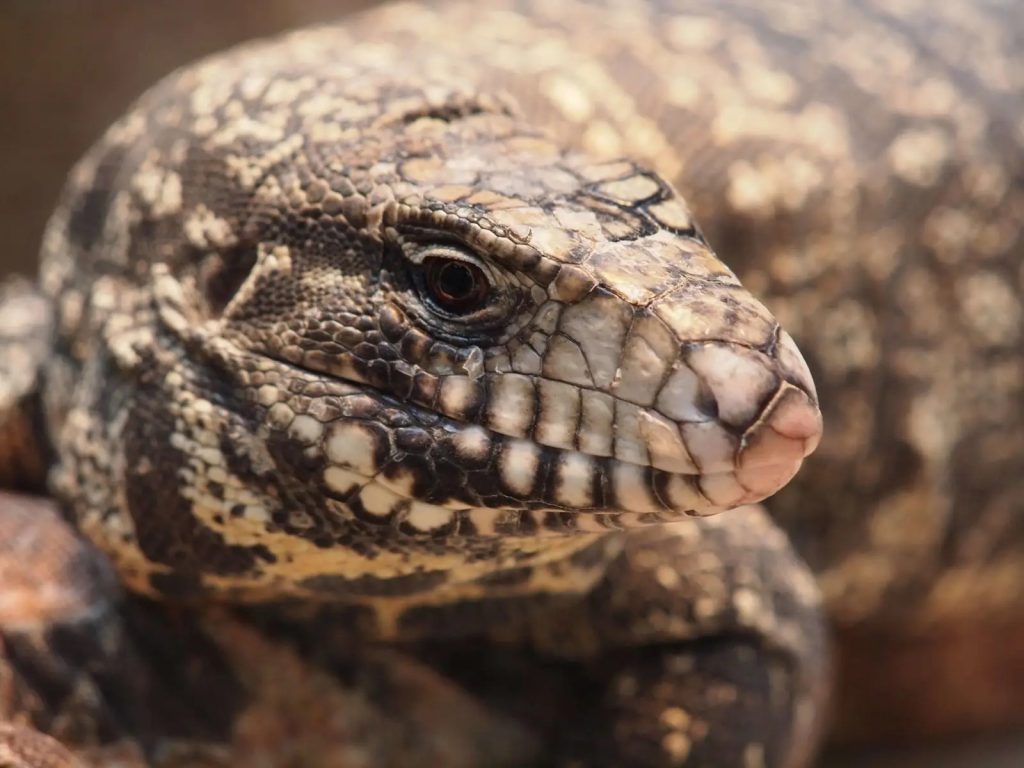
Argentine Tegus are large, intelligent lizards native to South America, best known for their striking black-and-white patterns and calm, curious nature. They are among the most intelligent reptiles, capable of recognising keepers, learning routines, and even showing problem-solving behaviour.
These powerful reptiles are omnivores, feeding on a varied diet of fruits, vegetables, insects, eggs, and small prey in the wild. Despite their size and strength, Argentine Tegus are often surprisingly gentle when well socialised, making them excellent ambassadors for reptile education.
At Hoo Zoo, our Argentine Tegu helps visitors learn about reptile conservation, responsible care, and the important role reptiles play in healthy ecosystems.
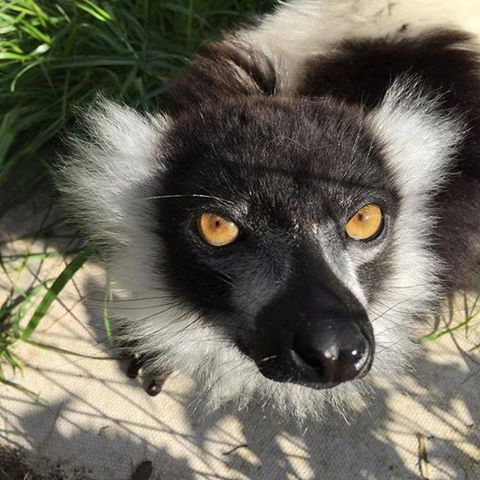
Black-and-White Ruffed Lemurs are large, striking primates native to the rainforests of Madagascar. Recognizable by their bold black and white fur, ruffed collars, and bright eyes, they are agile, vocal, and highly social animals.
These lemurs feed mainly on fruits, nectar, and flowers, using their nimble hands and strong jaws to access food in the treetops. Living in social groups, they communicate with loud calls and a variety of vocalizations, helping maintain group cohesion and alerting others to potential dangers.
At Hoo Zoo, our Black-and-White Ruffed Lemur helps visitors explore the behaviors of rainforest primates, learn about Madagascar’s unique wildlife, and understand the importance of conserving tropical forests. Observing these intelligent, lively animals up close gives visitors a chance to appreciate their curiosity, social intelligence, and essential role in maintaining healthy ecosystems.

Bobcats are medium-sized wild cats native to North America. Recognizable by their short, bobbed tails, tufted ears, spotted fur, and keen eyes, they are stealthy, agile, and highly adaptable predators.
These cats are carnivorous, feeding mainly on rabbits, rodents, birds, and other small animals. Expert hunters, bobcats use their sharp senses, camouflage, and quick reflexes to stalk and capture prey, often being most active at dawn and dusk.
At Hoo Zoo, our Bobcat helps visitors learn about predator adaptations, the diversity of North American wildlife, and the importance of conserving forests, grasslands, and desert habitats. Observing this sleek, alert cat up close gives visitors a chance to appreciate its agility, intelligence, and vital role in maintaining balanced ecosystems.
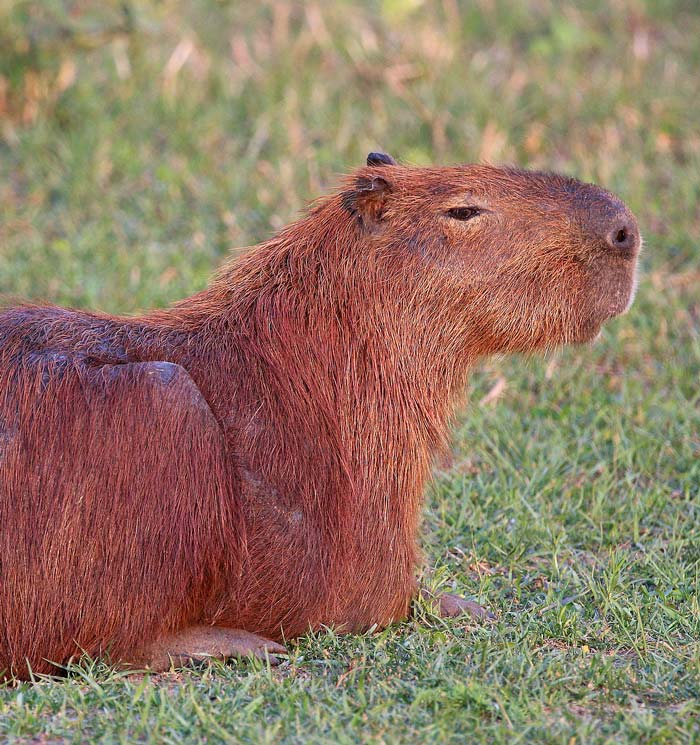
Capybaras are the world’s largest rodents, native to South America’s rivers, wetlands, and grasslands. Recognizable by their large, barrel-shaped bodies, short fur, and calm, friendly faces, they are social, gentle, and highly adaptable.
These herbivores feed mainly on grasses, aquatic plants, and fruits. Excellent swimmers, capybaras spend much of their time in or near water, using it for safety, cooling off, and social interaction. They live in groups, showing strong social bonds and cooperative behaviours.
At Hoo Zoo, our Capybara helps visitors learn about the fascinating adaptations of semi-aquatic mammals, the importance of social behaviours, and the need to conserve wetland habitats. Observing these gentle, curious animals up close gives visitors a chance to appreciate their social intelligence, adaptability, and important role in their ecosystems. And meet the world famous Cinnamon!
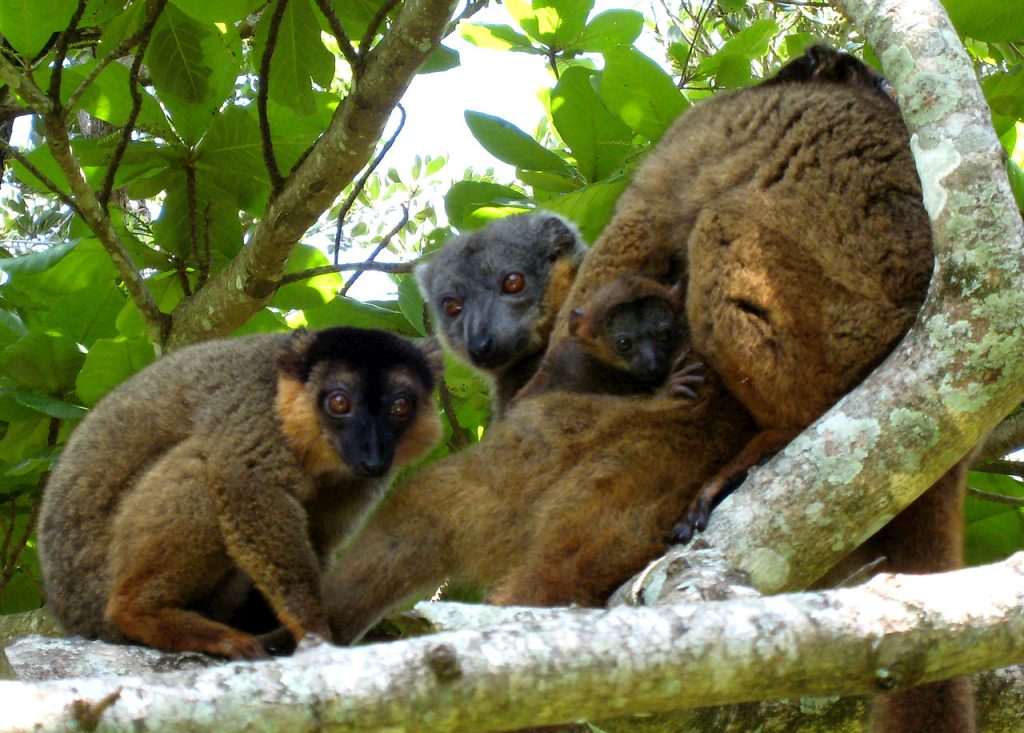
Collared Brown Lemurs are medium-sized primates native to the forests of Madagascar. Recognizable by their soft brown fur, darker limbs, and distinctive collar-like markings around their necks, they are agile, curious, and highly social.
These lemurs feed mainly on fruits, leaves, flowers, and nectar, using their nimble hands to grasp and explore their food. Living in social groups, they communicate with a variety of calls and gestures, showing complex social behaviors and strong bonds within their troop.
At Hoo Zoo, our Collared Brown Lemur helps visitors discover the fascinating behaviors of primates, the diversity of Madagascar’s wildlife, and the importance of conserving tropical forests. Observing these intelligent, lively animals up close gives visitors a chance to appreciate their curiosity, social intelligence, and vital role in their ecosystems.
During your day at Hoo Zoo you will be accompanied around the farm by an experienced member of our staff who will make sure you get the most out of your Hoo Zoo visit. They will endeavour to make sure your tour is both informative and fun.
As well as being guided around the zoo, you will be offered the opportunity to meet various animals including Meerkats, Lemurs, Reptiles, Wolves, Capybara and Cats. We will also get you fully involved in any demonstrations that may be happening during your day.
What to Expect:
Snakes – Meet and learn about these fascinating reptiles, with the opportunity to handle one of our friendly snakes.
Tortoises – Get up close and gently stroke our calm and curious giant tortoises.
Hedgehog – Discover the spiky charm of our desert hedgehogs and learn about their adaptations.
Owls – Meet our majestic owls and learn about their incredible hunting skills, with the chance to handle them.
Foxes – Step into the world of foxes and hand-feed these intelligent and playful animals.
Lemurs – Spend time with our energetic lemurs, helping with feeding and enrichment activities.
Servals – Get close to these striking wild cats and learn about their agility and natural behaviours.
Meerkats – Help feed our curious and entertaining meerkats as they scurry around and climb over you.
Capybara – Meet the world’s largest rodents and take part in feeding these relaxed and sociable animals.
Wolves – Observe and take part in feeding our wolves safely from outside the enclosure while learning about pack dynamics. (Minimum age 16)
Lynx – Watch and assist with feeding our lynx from outside the enclosure, discovering more about these elusive cats. (Minimum age 16)
A Full Customisable Experience!
Our Keeper for the Day experience is fully customisable, allowing you to tailor the day around your interests and abilities. From behind-the-scenes animal care to hands-on activities with your favourite species, our keepers will work with you to create a unique, memorable experience that’s truly your own.
As our animals welfare is of utmost importance and we are privileged to be able to get so close to these species – we will not force our animals to do anything against their nature and all interaction is done on their terms.

Participants must be able bodied and 10 years or older.
Book your VIP experience tickets!


