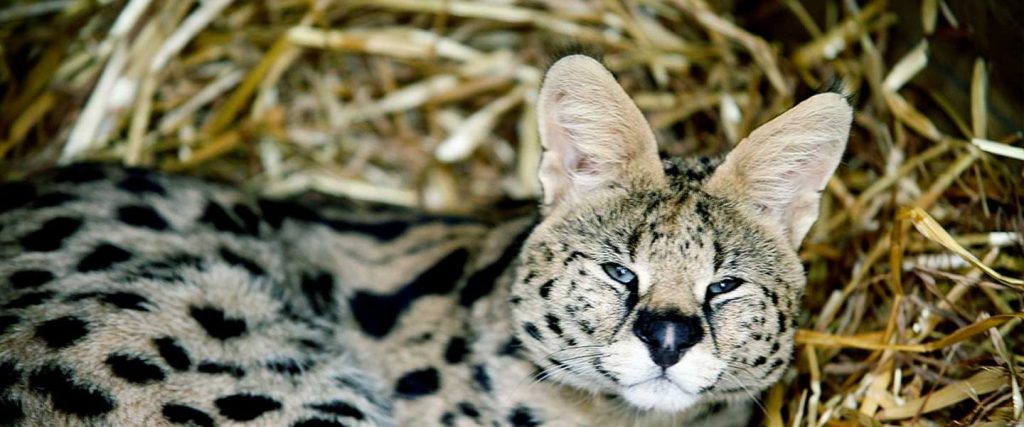
We care for an extraordinary variety of animals from across the globe. This land is the home of some of our more unusual residents.

Find out more about the animals who live in this land!
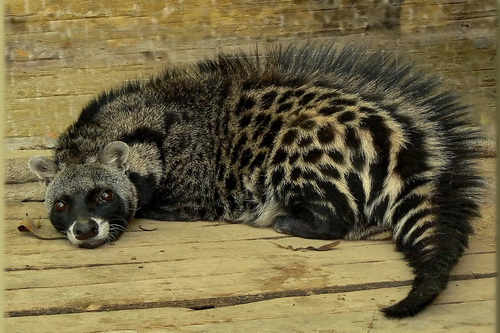

The African civet (Civettictis civetta) is the largest representative of the African Viverridae and the sole member of its genus. It is considered common and widely distributed in sub-Saharan Africa.
It is primarily nocturnal and spends the day sleeping in dense vegetation. The mammal is awake at sunset. It is a solitary mammal that has a unique coloration: the black and white stripes and blotches covering the coarse pelage of the animal are extremely variable and allow it to be cryptic. The black bands surrounding its eyes closely resemble those of the raccoon. Other distinguishing features are its disproportionately large hindquarters and its erectile dorsal crest.
The African civet is an omnivorous generalist, taking small vertebrates, invertebrates, eggs, carrion, and vegetable matter. It is capable of taking on poisonous invertebrates and snakes. Prey is primarily detected by smell and sound rather than by sight. It prefers riverine habitats and woodlands.
Like all civets it has perineal glands that produce a fluid known as civet, which it spreads on markers in its territory to claim its range. It is used in the perfume industry. [Credit: Wikipedia]
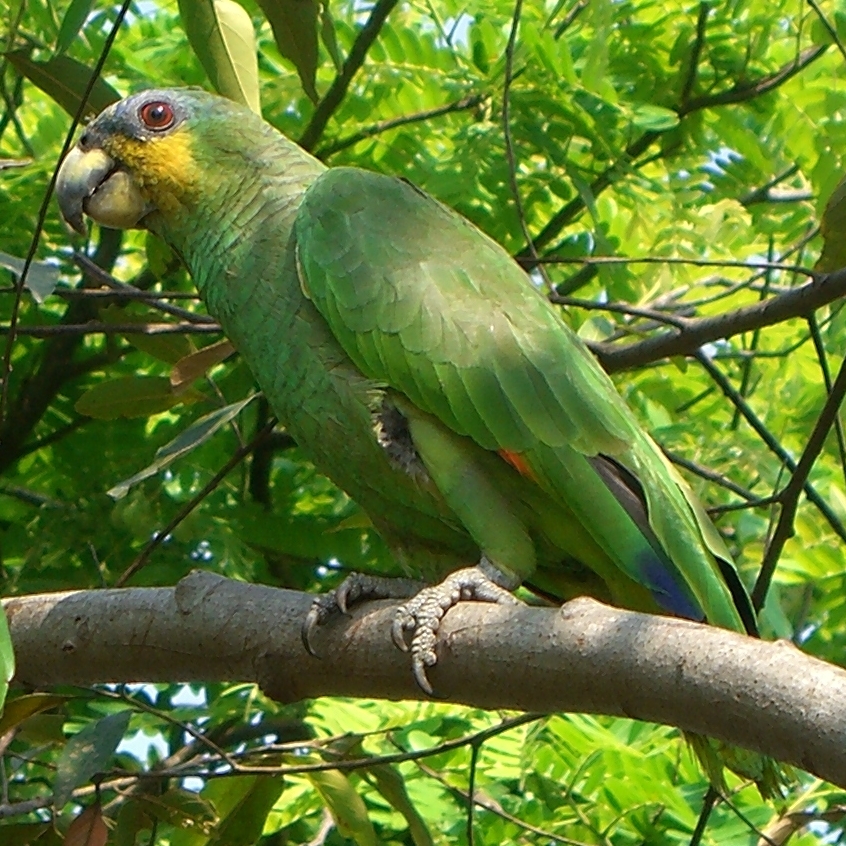
Amazon parrot is the common name for a parrot of the genus Amazona. These are medium-sized parrots native to the New World ranging from South America to Mexico and the Caribbean. Most amazon parrots are predominantly green, with accenting colors that depend on the species and can be quite vivid. They feed primarily on seeds, nuts, and fruits, supplemented by leafy matter. Many amazon parrots have a remarkable ability to mimic human speech and other sounds. Partly because of this, they are popular as pets or companion parrots, and a small industry has developed in breeding parrots in captivity for this market. This popularity has led to many parrots being taken from the wild to the extent that some species have become threatened. The Convention on International Trade in Endangered Species of Wild Fauna and Flora treaty has made the capture of wild parrots for the pet trade illegal in an attempt to help protect wild populations. [Credit: Wikipedia]
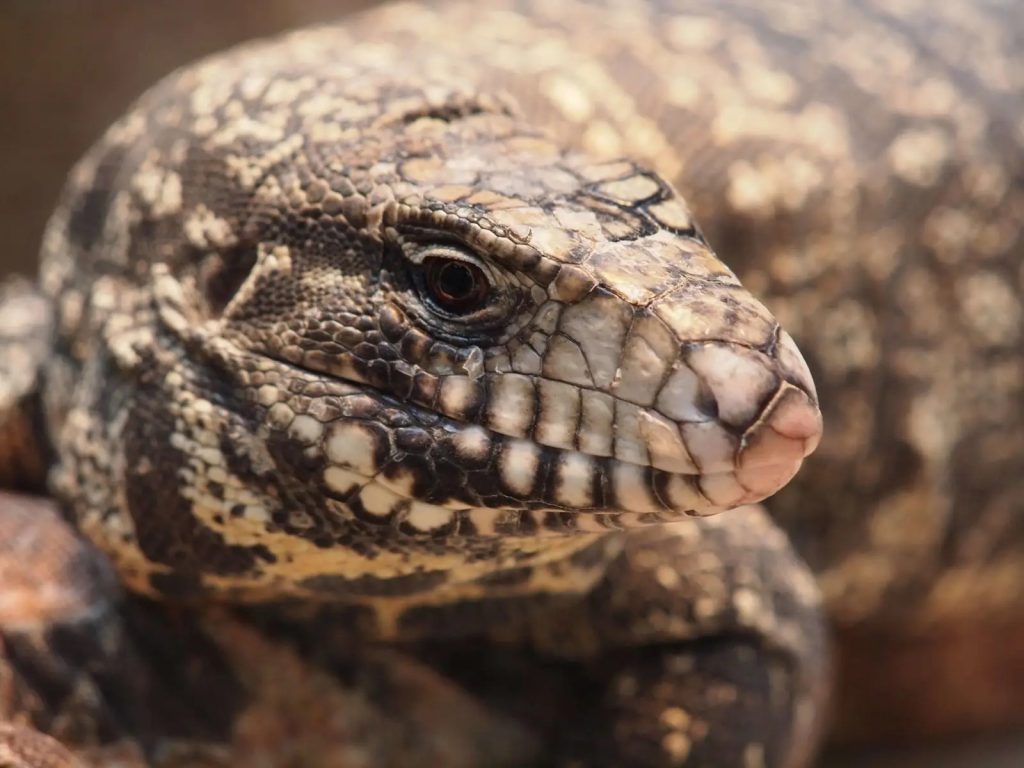
Argentine Tegus are large, intelligent lizards native to South America, best known for their striking black-and-white patterns and calm, curious nature. They are among the most intelligent reptiles, capable of recognising keepers, learning routines, and even showing problem-solving behaviour.
These powerful reptiles are omnivores, feeding on a varied diet of fruits, vegetables, insects, eggs, and small prey in the wild. Despite their size and strength, Argentine Tegus are often surprisingly gentle when well socialised, making them excellent ambassadors for reptile education.
At Hoo Zoo, our Argentine Tegu helps visitors learn about reptile conservation, responsible care, and the important role reptiles play in healthy ecosystems.
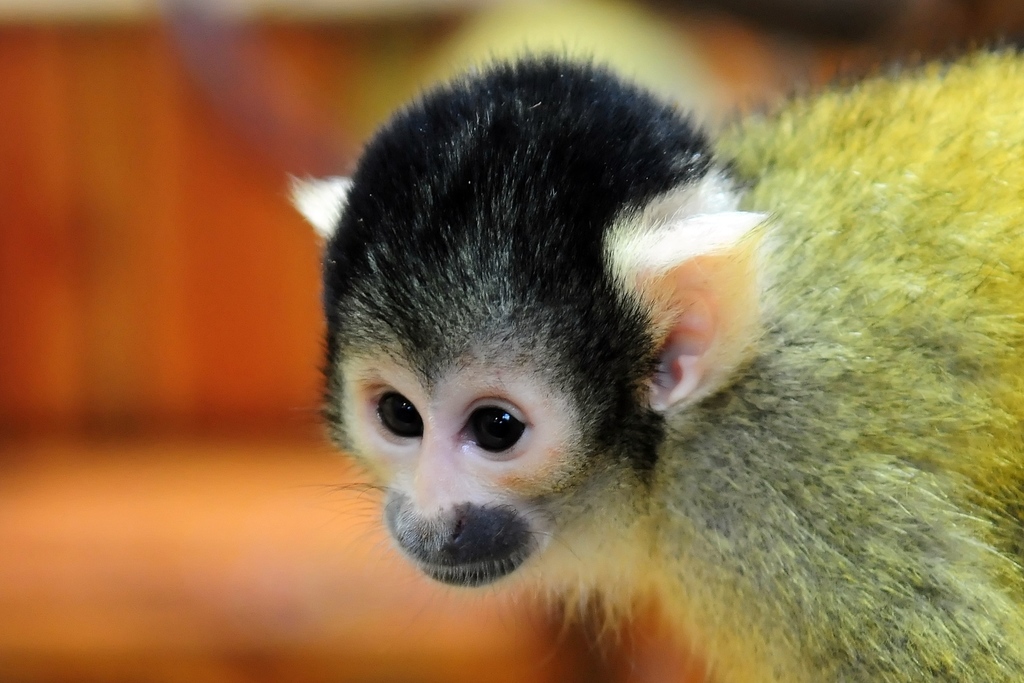
Black-Capped Squirrel Monkeys are small, energetic primates native to the tropical forests of South America. Recognizable by their distinctive black caps, bright eyes, and slender bodies, they are agile, curious, and constantly on the move.
These monkeys feed mainly on fruits, insects, and small invertebrates, using their quick reflexes and nimble hands to forage through the trees. Highly social, they live in large groups and communicate using a range of calls, expressions, and playful behaviors.
At Hoo Zoo, our Black-Capped Squirrel Monkey helps visitors explore the fascinating world of social primates, learn about rainforest ecosystems, and understand the importance of conserving tropical habitats. Observing these lively, intelligent animals up close gives visitors a chance to appreciate their energy, teamwork, and vital role in their ecosystem.

Blue-Fronted Amazons are medium-sized, vibrant parrots native to South America, especially Brazil and surrounding regions. Recognizable by their bright green bodies, blue foreheads, and flashes of red and yellow on their wings, they are lively, intelligent, and full of personality.
These parrots feed mainly on fruits, seeds, and nuts, using their strong, curved beaks to crack open tough shells. Highly social and vocal, Blue-Fronted Amazons form strong bonds with their flock, often communicating with playful calls and showing remarkable intelligence.
At Hoo Zoo, our Blue-Fronted Amazon helps visitors explore the behaviors and social lives of parrots, learn about the richness of tropical forests, and understand the importance of conserving these habitats. Observing this colorful, lively bird up close highlights its beauty, curiosity, and essential role in its ecosystem.
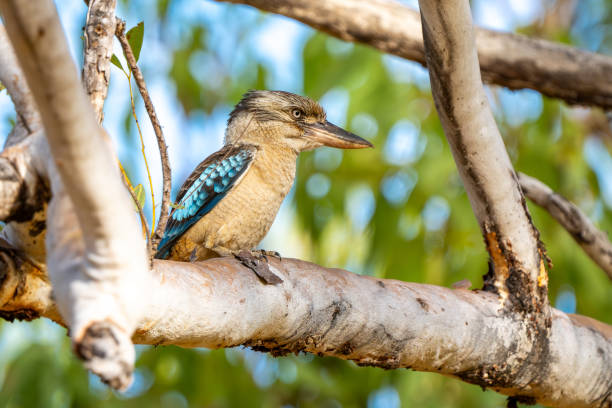
Blue-winged Kookaburras are medium-sized, brightly colored birds native to northern and eastern Australia and parts of New Guinea. Recognizable by their striking blue wings, large heads, and distinctive laughing calls, they are one of the most iconic birds of the region.
These birds are carnivorous, feeding on insects, small reptiles, and amphibians. Their strong beaks allow them to catch and crush prey efficiently, while their keen eyesight helps them spot movement from a distance. Known for their playful and curious behavior, Blue-winged Kookaburras are fascinating to observe in the wild.
At Hoo Zoo, our Blue-winged Kookaburra helps visitors explore the diversity of Australian wildlife, learn about predator adaptations, and understand the importance of conserving forests and wetlands. Seeing this vibrant, lively bird up close brings its intelligence, charm, and ecological role to life.

Bobcats are medium-sized wild cats native to North America. Recognizable by their short, bobbed tails, tufted ears, spotted fur, and keen eyes, they are stealthy, agile, and highly adaptable predators.
These cats are carnivorous, feeding mainly on rabbits, rodents, birds, and other small animals. Expert hunters, bobcats use their sharp senses, camouflage, and quick reflexes to stalk and capture prey, often being most active at dawn and dusk.
At Hoo Zoo, our Bobcat helps visitors learn about predator adaptations, the diversity of North American wildlife, and the importance of conserving forests, grasslands, and desert habitats. Observing this sleek, alert cat up close gives visitors a chance to appreciate its agility, intelligence, and vital role in maintaining balanced ecosystems.
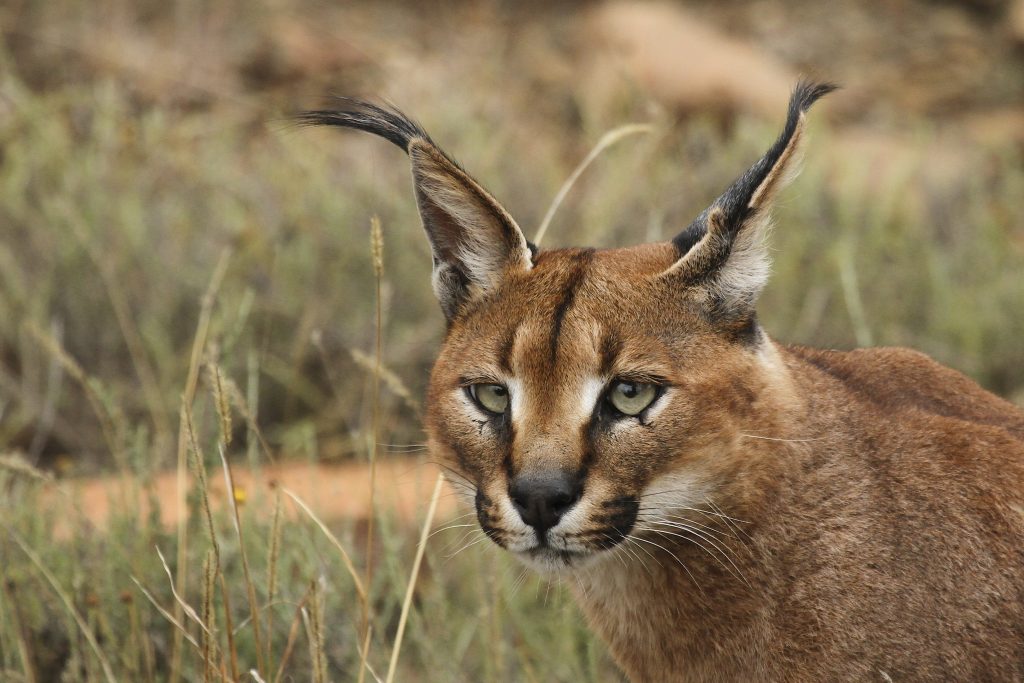
Caracals are sleek, medium-sized wild cats native to the dry savannas and woodlands of Africa and the Middle East. With their striking tufted ears, tawny coat, and powerful build, they are agile hunters and stealthy predators.
These carnivores primarily hunt birds, small mammals, and rodents, using their sharp claws and powerful hind legs to leap great distances and catch prey mid-air. Caracals are solitary and territorial, often using their excellent night vision and hearing to track their prey.
At Hoo Zoo, our Caracal helps visitors explore the behaviors of wild cats, learn about their impressive hunting skills, and understand the importance of conserving savanna and woodland habitats. Observing this elegant, agile predator up close gives visitors a chance to appreciate its stealth, strength, and crucial role in maintaining healthy ecosystems.
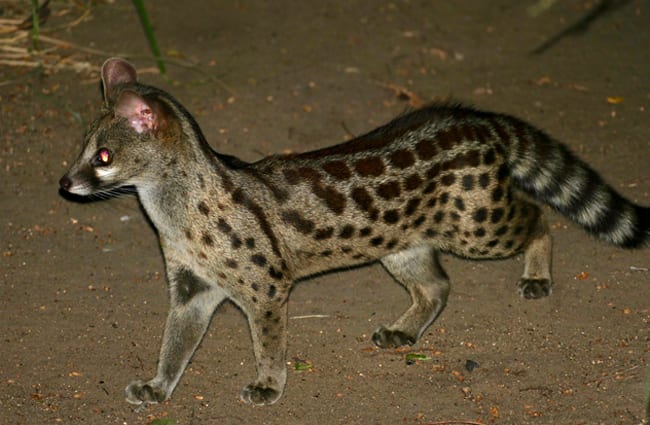
Genets are sleek, cat-like mammals native to Africa and parts of Europe. With their long bodies, spotted fur, and bushy tails, they are stealthy, agile hunters, perfectly suited to life in forests and savannas.
These carnivores feed on small mammals, birds, insects, and fruits, using their sharp claws and excellent climbing skills to navigate trees and hunt in the underbrush. Genets are nocturnal, relying on their keen senses of sight and smell to navigate the night in search of food.
At Hoo Zoo, our Genet helps visitors learn about the behaviors of small predators, the role of nocturnal animals in ecosystems, and the importance of protecting diverse habitats. Observing this sleek, elusive creature up close gives visitors a chance to appreciate its agility, stealth, and vital role in maintaining the balance of its environment.
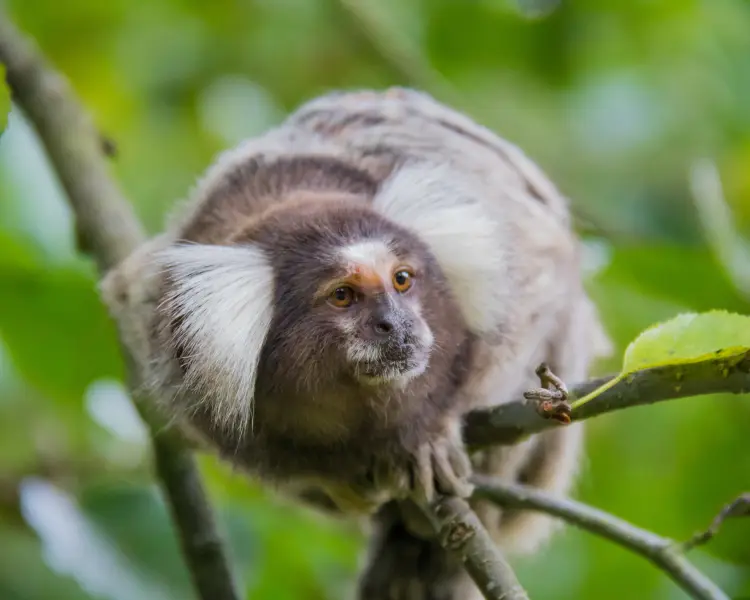
Common Marmosets are small, lively primates native to the forests of South America. Recognizable by their soft fur, expressive faces, and distinctive tufts of white hair on their ears, they are curious, agile, and highly social.
These marmosets feed mainly on tree sap, gum, insects, and small fruits, using their sharp teeth and nimble hands to forage and manipulate food. Living in family groups, they communicate with a variety of vocalizations and social behaviors, maintaining strong bonds within their troop.
At Hoo Zoo, our Common Marmoset helps visitors discover the fascinating behaviors of small primates, the diversity of South American wildlife, and the importance of conserving tropical forests. Observing these energetic, intelligent animals up close gives visitors a chance to appreciate their curiosity, social intelligence, and vital role in their ecosystems.

De Brazza's Monkeys are medium-sized primates native to the forests and wetlands of Central Africa. Recognizable by their striking grey fur, white beard, and orange crown on the forehead, they are shy, intelligent, and highly alert animals.
These monkeys feed mainly on fruits, leaves, seeds, and small invertebrates, using their dexterous hands to forage and manipulate food. Living in small family groups, they communicate with a variety of calls, gestures, and facial expressions, showing complex social behaviors and strong family bonds.
At Hoo Zoo, our De Brazza's Monkey helps visitors learn about the fascinating behaviors of primates, the diversity of African wildlife, and the importance of conserving tropical forests and wetlands. Observing these clever, cautious animals up close gives visitors a chance to appreciate their intelligence, social skills, and vital role in their ecosystems.
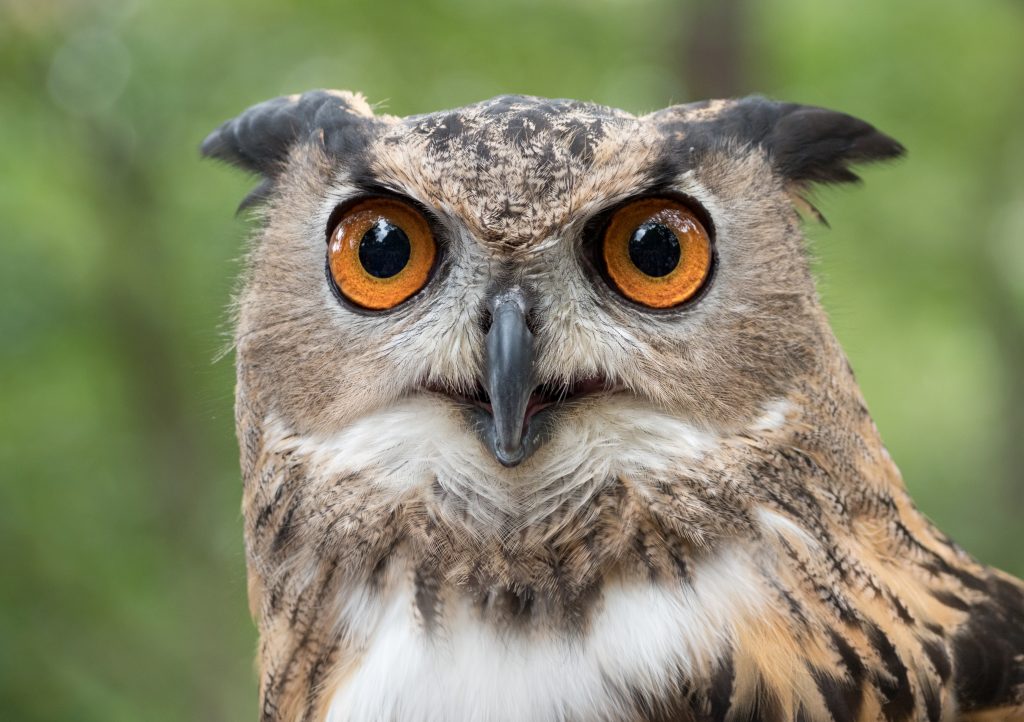
Eurasian Eagle Owls are among the largest and most powerful owls in the world, native to forests, mountains, and open landscapes across Europe and Asia. Recognisable by their striking orange eyes, prominent ear tufts, and mottled brown and cream plumage, these nocturnal hunters are both majestic and formidable.
Carnivorous by nature, Eurasian Eagle Owls feed on mammals, birds, and large insects, playing a crucial role in controlling prey populations and maintaining healthy ecosystems. They are known for their deep, resonant calls and exceptional hunting skills, relying on silent flight and keen vision to catch prey in darkness.
At Hoo Zoo, our Eurasian Eagle Owl helps visitors learn about predator adaptations, nocturnal behaviour, and the importance of conserving habitats for large birds of prey. Seeing this magnificent species up close gives visitors an inspiring glimpse into the intelligence, strength, and ecological importance of owls.
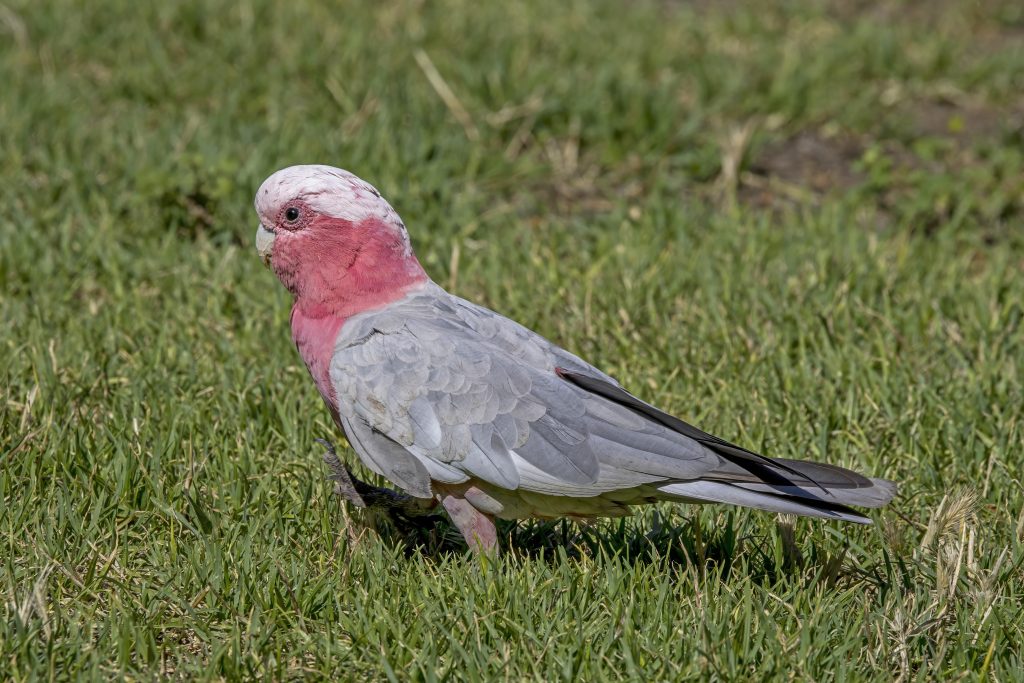
Galahs are medium-sized, striking parrots native to Australia. Recognizable by their soft pink faces and chests, grey wings and backs, and playful crests, they are lively, social, and full of charm.
These parrots feed mainly on seeds, fruits, and grasses, using their strong beaks to explore and crack open food. Highly social, Galahs often gather in large flocks, engaging in playful antics and forming strong bonds with one another.
At Hoo Zoo, our Galah helps visitors discover the behaviors of social birds, learn about the diversity of Australian wildlife, and understand the importance of conserving open woodlands and grasslands. Observing these energetic, colorful birds up close highlights their intelligence, curiosity, and essential role in their ecosystems.
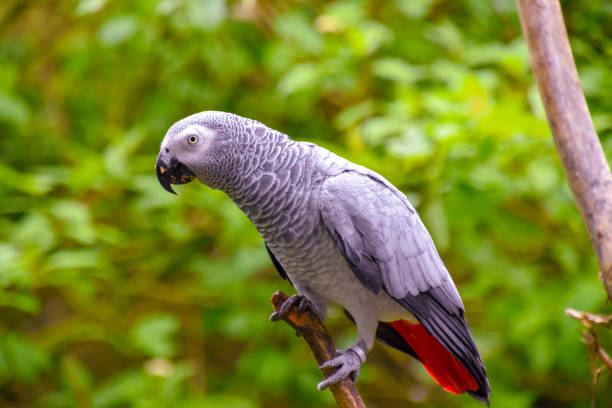
Grey Parrots are medium-sized, intelligent birds native to the rainforests of West and Central Africa. Recognizable by their sleek grey feathers, bright red tails, and striking eyes, they are famous for their remarkable intelligence and ability to mimic sounds and human speech.
These parrots feed mainly on fruits, nuts, seeds, and berries, using their strong, curved beaks to crack open hard shells. Highly social and curious, Grey Parrots form strong bonds with their flock members and are known for their problem-solving abilities and playful behavior.
At Hoo Zoo, our Grey Parrot helps visitors explore the intelligence and social behaviors of birds, learn about rainforest ecosystems, and understand the importance of conserving tropical forests. Observing this remarkable bird up close highlights its beauty, curiosity, and vital role in maintaining healthy forest habitats.
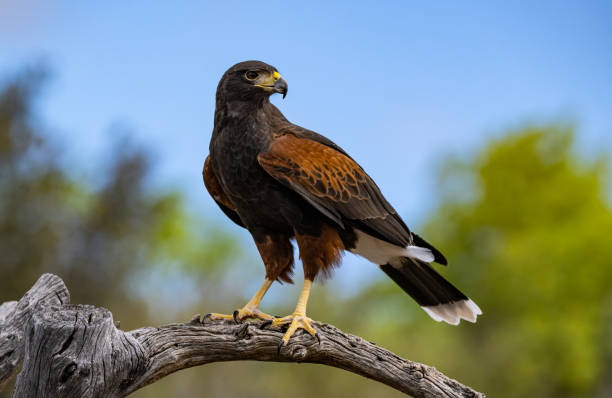
Harris’ Hawks are medium-sized birds of prey native to the deserts and scrublands of the Americas. Recognizable by their rich brown plumage, chestnut shoulders, and striking yellow legs and eyes, they are famous for their intelligence and unique social hunting behavior.
Unlike most raptors, Harris’ Hawks often hunt in cooperative groups, using teamwork to catch prey such as rabbits, lizards, and birds. Their sharp talons, keen eyesight, and agile flight make them skilled predators perfectly adapted to open landscapes.
At Hoo Zoo, our Harris’ Hawk teaches visitors about the fascinating behaviors of raptors, the advantages of teamwork in the wild, and the importance of protecting desert and grassland habitats. Watching this remarkable bird in action highlights its intelligence, adaptability, and vital role in its ecosystem.
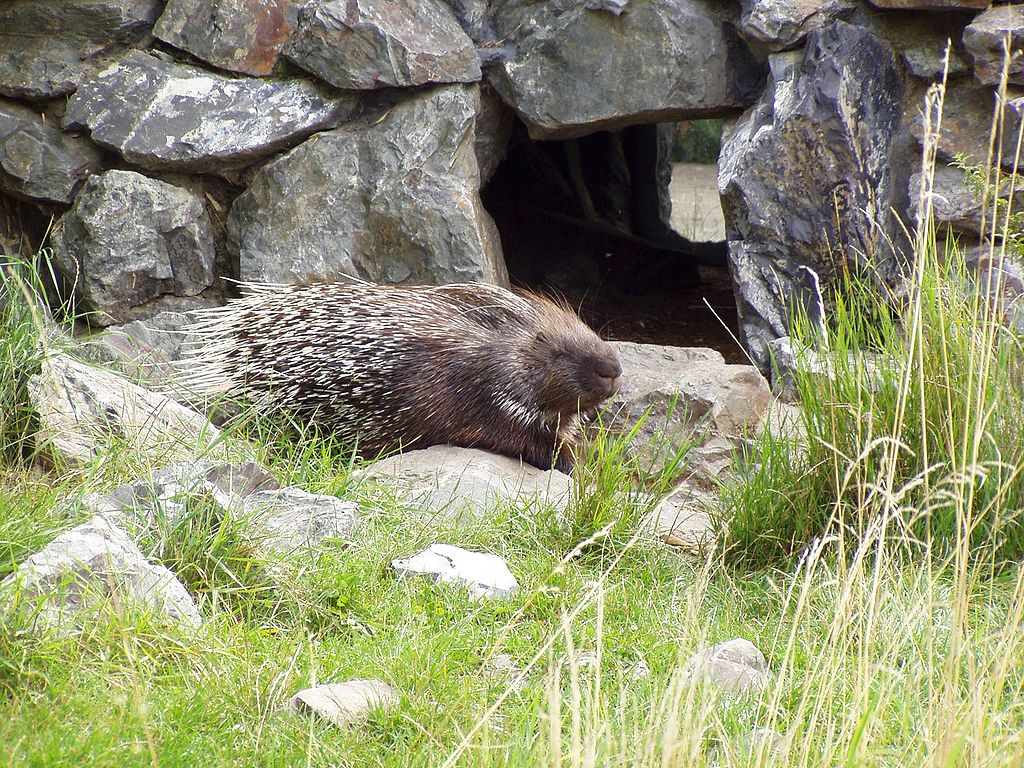
Indian Crested Porcupines are medium-sized, nocturnal rodents native to parts of South and Central Asia. Recognizable by their dark fur and striking quills, which stand erect when threatened, they are fascinating, well-defended, and highly adaptable animals.
These porcupines are herbivorous, feeding mainly on roots, tubers, fruits, and bark. Their strong teeth help them gnaw through tough vegetation, while their quills provide an effective defense against predators. Mostly nocturnal, they are shy but curious, exploring their surroundings at night.
At Hoo Zoo, our Indian Crested Porcupine helps visitors learn about unique adaptations in mammals, nocturnal behaviours, and the importance of conserving their natural habitats. Observing these intriguing, well-armoured animals up close gives visitors a chance to appreciate their cleverness, resourcefulness, and important role in their ecosystems.
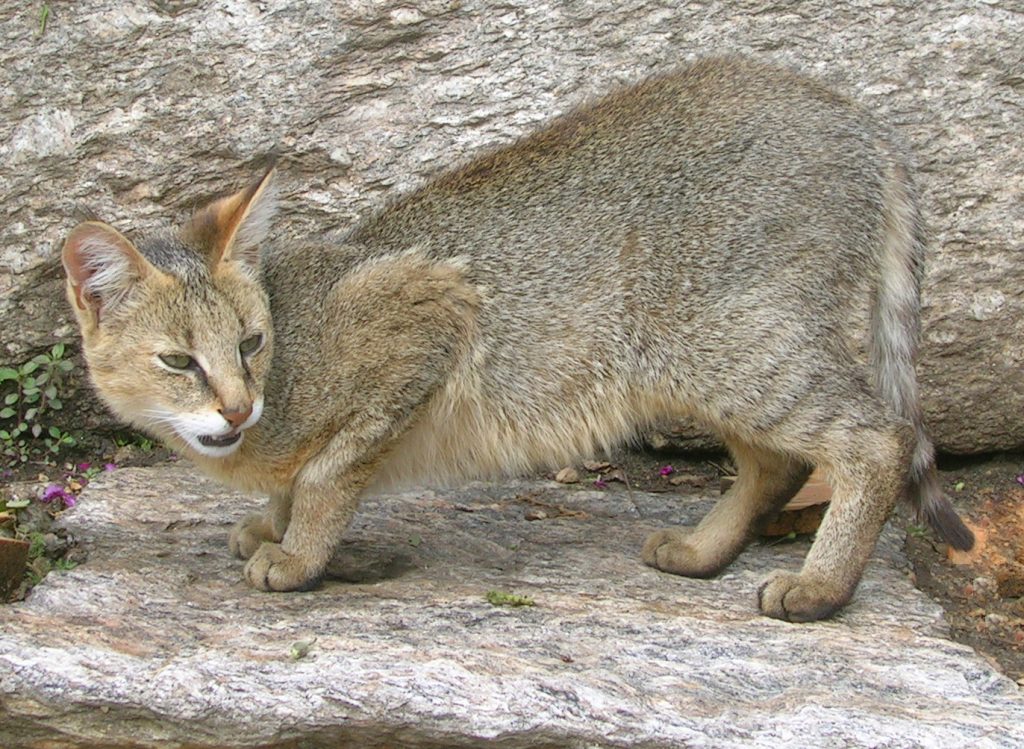
Jungle Cats are medium-sized wild cats native to parts of Asia, the Middle East, and Southeast Europe. Recognisable by their slender build, long legs, tufted ears, and sandy-brown coat, they are agile, alert, and highly adaptable predators.
These cats are carnivorous, feeding mainly on small mammals, birds, reptiles, and amphibians. Excellent hunters, Jungle Cats rely on their keen hearing, sharp eyesight, and stealth to stalk prey, often hunting at dawn and dusk in wetlands, grasslands, and forest edges.
At Hoo Zoo, our Jungle Cat helps visitors learn about wild cat behavior, predator adaptations, and the importance of conserving diverse habitats. Observing this sleek, elusive animal up close gives visitors a chance to appreciate its agility, intelligence, and vital role in maintaining balanced ecosystems.
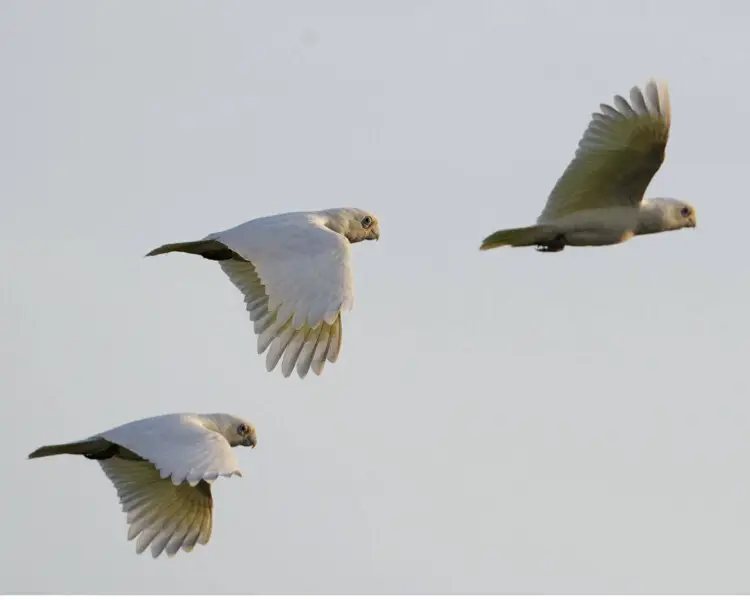
Little Corellas are small, lively parrots native to Australia. Recognizable by their white feathers, pale blue eye-rings, and short, expressive crests, they are playful, social, and full of charm.
These birds feed mainly on seeds, fruits, and grasses, using their strong beaks to explore and handle a variety of foods. Highly social, Little Corellas often gather in large flocks, engaging in playful antics and forming close bonds with one another.
At Hoo Zoo, our Little Corella helps visitors discover the behaviors of social birds, learn about the diversity of Australian wildlife, and understand the importance of conserving woodlands and grasslands. Observing these energetic, curious birds up close gives visitors a chance to appreciate their playful nature, intelligence, and important role in their ecosystems.
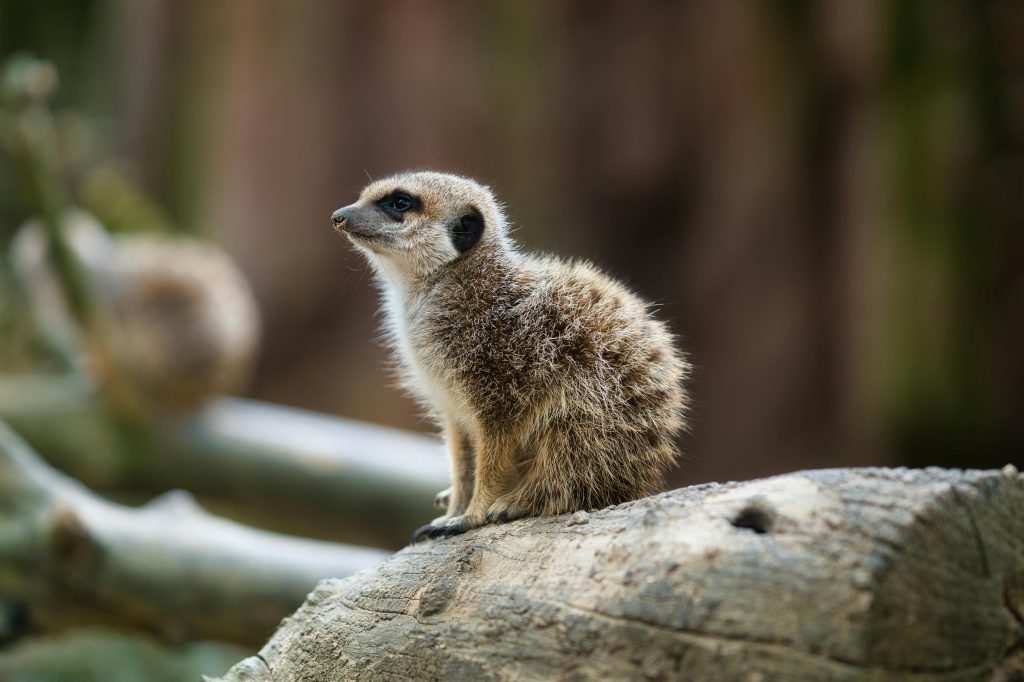
Meerkats are small, highly social mammals native to the deserts and savannas of southern Africa. Recognizable by their upright posture, big eyes, and playful expressions, they are curious, alert, and always on the lookout.
These omnivores feed on insects, small reptiles, fruits, and plants, using their sharp claws and keen senses to dig and forage for food. Meerkats live in tight-knit groups called mobs, where they work together to keep an eye out for predators and share food.
At Hoo Zoo, our Meerkat helps visitors learn about the fascinating social behaviours of small mammals, the importance of teamwork, and how desert ecosystems function. Observing these lively, energetic animals up close gives visitors a chance to appreciate their curiosity, intelligence, and essential role in maintaining a balanced ecosystem.
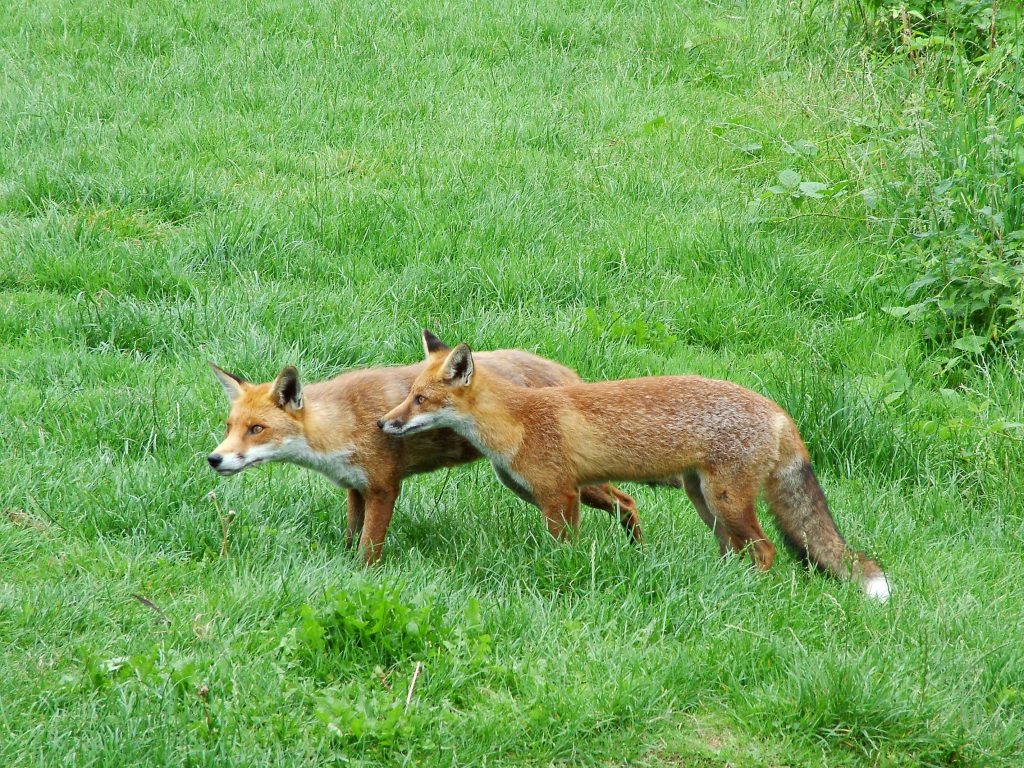
Red Foxes are one of the most adaptable and widespread canids, found across a variety of habitats, from forests to grasslands to urban areas. With their vibrant red-orange fur, bushy tails, and sharp features, they are quick, clever, and perfectly built for a life of stealth and agility.
These omnivores have a varied diet, including small mammals, birds, fruits, and insects. They are opportunistic hunters, using their keen senses of sight and hearing to track prey, while their cleverness and agility make them masters of both solo and scavenging hunts. Their distinctive, bushy tail helps with balance and acts as a warm cover during cold nights.
At Hoo Zoo, our Red Fox offers visitors a chance to discover the incredible adaptability of wild animals, the importance of predators in diverse ecosystems, and the remarkable survival skills needed to thrive in changing environments. Observing this intelligent, resourceful fox up close provides an appreciation for its role in keeping nature’s balance in check.
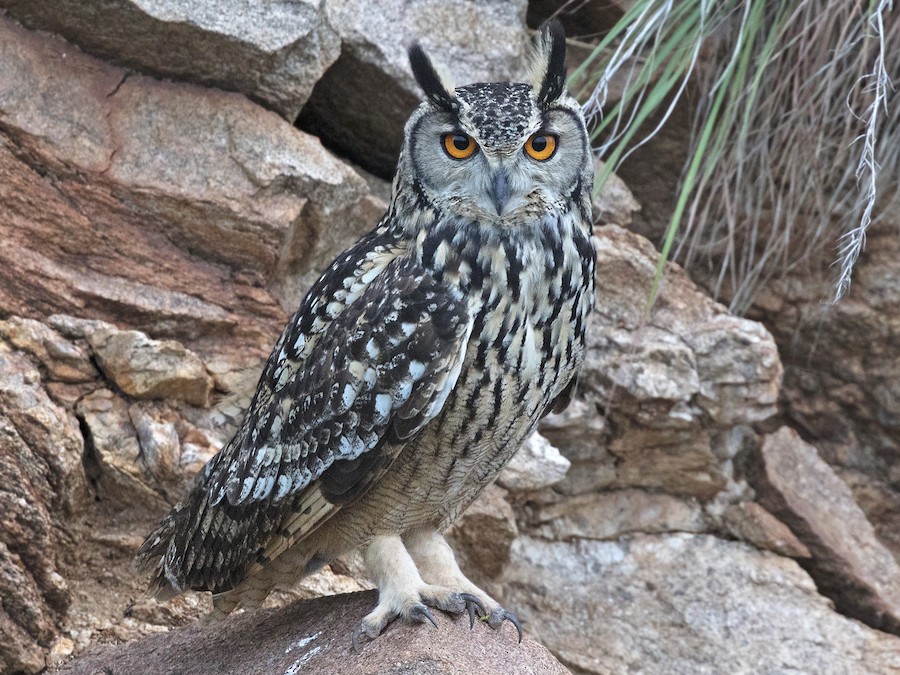
Rock Eagle Owls are large, powerful nocturnal birds of prey native to sub-Saharan Africa. Recognisable by their prominent “ear” tufts, piercing yellow eyes, and mottled brown and grey plumage, they are highly alert and skilled hunters, often seen perched on rocky outcrops or tall trees scanning for prey.
These owls are carnivorous, feeding on mammals, birds, reptiles, and large insects, playing a key role in controlling animal populations and maintaining balanced ecosystems. They are territorial and vocal, using deep, resonant calls to communicate across their habitats.
At Hoo Zoo, our Rock Eagle Owl helps visitors learn about nocturnal hunting strategies, bird of prey adaptations, and the importance of conserving wild habitats. Observing these majestic owls up close highlights their intelligence, strength, and essential role in African ecosystems.

Rusty-Spotted Cats are tiny wild cats native to the forests and grasslands of India and Sri Lanka. Recognizable by their small size, reddish-brown fur with dark spots, and expressive eyes, they are elusive, agile, and perfectly adapted to hunting in dense undergrowth.
These cats are carnivorous, feeding mainly on small mammals, birds, and insects. Despite their tiny size, they are fearless hunters, relying on stealth, sharp senses, and quick reflexes to catch prey.
At Hoo Zoo, our Rusty-Spotted Cat helps visitors learn about the incredible diversity of wild cats, predator adaptations, and the importance of conserving forests and grasslands. Observing this tiny, secretive cat up close gives visitors a chance to appreciate its agility, cunning, and vital role in maintaining healthy ecosystems.

European Wildcats are elusive, medium-sized felines native to the forests and woodlands of Europe. With their sleek striped coats, bushy tails, and sharp eyes, they are skilled hunters, perfectly adapted to life in the wild.
These carnivores feed mainly on small mammals, birds, and occasionally fruits, using their stealth, sharp claws, and keen senses to stalk and capture prey. Solitary by nature, European Wildcats are highly territorial, often spending most of their time alone in dense forests and underbrush.
At Hoo Zoo, our European Wildcat helps visitors learn about the behaviors of wild predators, the balance of forest ecosystems, and the importance of conserving native species. Observing this shy, powerful cat up close gives visitors a chance to appreciate its remarkable hunting skills, independence, and vital role in maintaining ecological harmony.
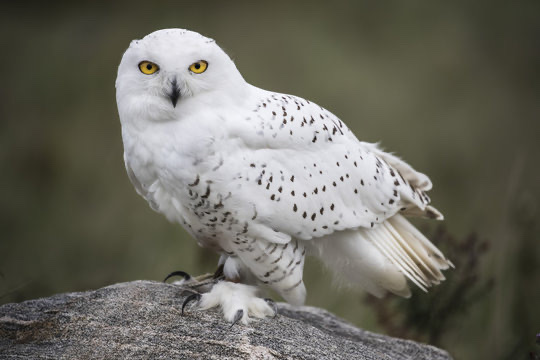
Snowy Owls are stunning, large owls native to the Arctic regions of North America and Eurasia. Recognisable by their bright white plumage, striking yellow eyes, and rounded heads, they are perfectly adapted to cold, open tundra habitats and are active during both day and night.
These owls are carnivorous, feeding mainly on lemmings, small mammals, and birds, making them key predators in their ecosystems. Their thick feathers provide insulation against freezing temperatures, while their silent flight and keen eyesight make them expert hunters.
At Hoo Zoo, our Snowy Owl helps visitors learn about Arctic wildlife, predator adaptations, and the importance of conserving fragile habitats affected by climate change. Observing this magnificent bird up close allows visitors to appreciate the resilience, beauty, and ecological role of these iconic owls.
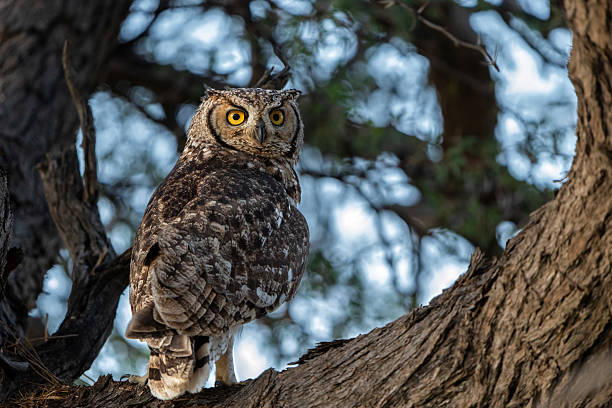
Spotted Eagle Owls are striking, medium-sized nocturnal birds of prey native to sub-Saharan Africa. Recognisable by their distinctive “ear” tufts, bright yellow eyes, and mottled brown and white plumage, they are alert, agile hunters that thrive in a variety of habitats—from savannas to forests.
These owls are carnivorous, feeding on small mammals, birds, insects, and reptiles, and play a vital role in controlling prey populations and maintaining healthy ecosystems. Known for their expressive calls and keen night vision, Spotted Eagle Owls are both fascinating and elusive to observe.
At Hoo Zoo, our Spotted Eagle Owl helps visitors learn about nocturnal behaviour, predator adaptations, and the importance of conserving habitats for owls and other wildlife. Seeing these magnificent hunters up close gives visitors a deeper appreciation for their intelligence, stealth, and ecological importance.
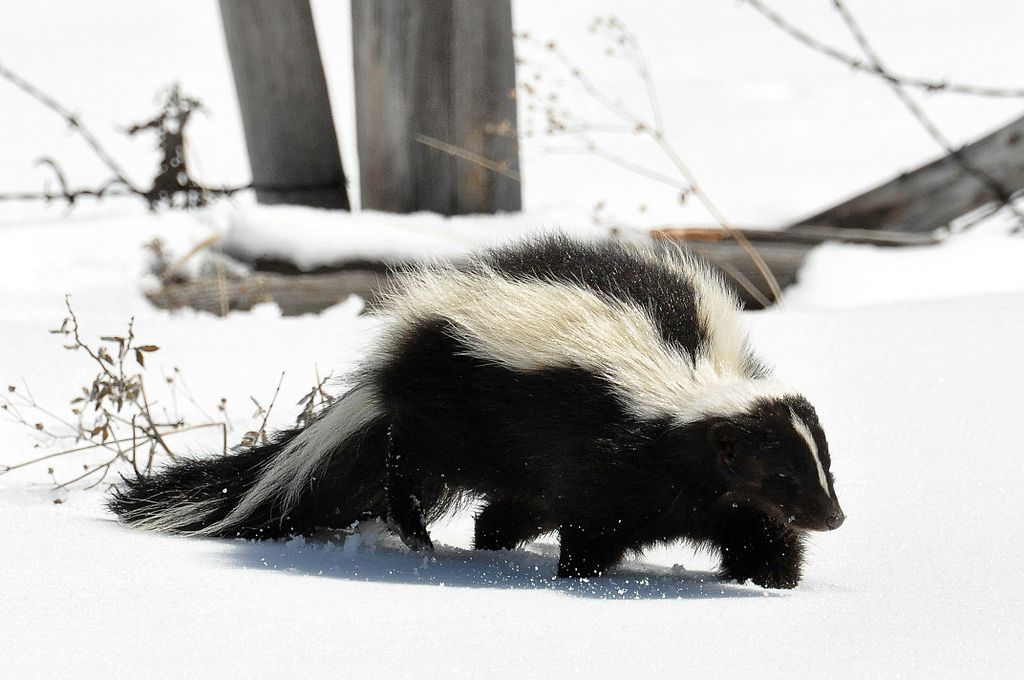
The Striped Skunk is a small, nocturnal mammal known for its bold black and white fur and its infamous defensive spray. Found across North America, it is a member of the weasel family and is easily recognizable by its distinctive stripe pattern that runs down its back and tail.
Despite its fearsome reputation, the Striped Skunk is primarily a scavenger and omnivore, feeding on insects, small animals, fruits, and plants. It uses its keen sense of smell to forage for food, and when threatened, it can spray a foul-smelling liquid from its glands as a powerful defense mechanism to ward off predators.
At Hoo Zoo, our Striped Skunk helps visitors learn about the unique behaviours and adaptations of small mammals, the role of scent in animal defence, and how these creatures contribute to controlling insect and rodent populations. Observing this fascinating, quirky animal up close gives visitors a chance to appreciate the diversity of wildlife in their own backyards.
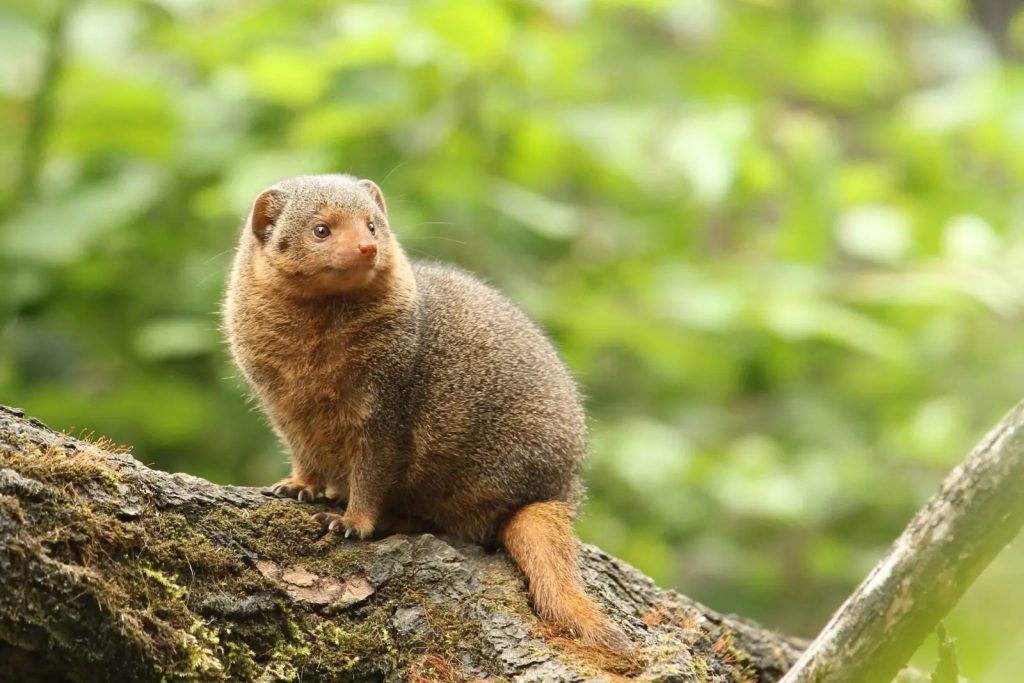
Common dwarf mongooses are diurnal animals. They are highly social and live in extended family groups of 2 to 30 animals. There is a strict hierarchy among same-sexed animals within a group, headed by the dominant pair (normally the oldest group members). All group members cooperate in helping to rear the pups and in guarding the group against predators. Dwarf mongooses are territorial, and each group uses an area of approximately 30-60 hectares. They sleep at night in disused termite mounds, although they occasionally use piles of stones, hollow trees, etc. Mongooses mark their territory with anal gland and cheek gland secretions and latrines. Territories often overlap slightly, which can lead to confrontations between different groups, with the larger group tending to win. Common dwarf mongooses begin and end each day sunbathing and socializing with the members of their groups. The rest of the day these animals spend looking for food among brush and rocks. They communicate with each other with the help of twitters, whistles, trills, and vibrations.
Find out more about some of the attractions and activities in this land.

Join our mailing list ot be the first to know about upcoming events!
To guarantee entry on the day, it’s essential that tickets are pre-booked. This can be done online through our ticketing system.

 Book Your Tickets


